Jeff Garrett: The Value of Eye Appeal
Posted on 7/23/2026
 |
Earlier this week, I was asked to present a podcast on eye appeal. My PowerPoint for the presentation was one I had created for my advanced coin grading class at the ANA Summer Seminar this year. The purpose was to educate collectors about the importance of how the appearance of a coin affects the value greatly. Not all coins of the same grade look alike. To be a successful collector, you need to understand quality and eye appeal.
It can be very difficult making a purchase decision when buying rare coins in today’s market. There are numerous price guides in the marketplace that offer retail values for US coinage. One can also consult population reports and, in many cases, recent auction records for comparison.
The biggest problem with retail price guides is that only one price per grade column is stated. As the Senior Editor of A Guide Book of United States Coins (the Red Book), I know all too well the difficulty of listing a retail price for an issue that can look so different yet still be the same grade.
A quick glance at any listing of auction records will show, at times, a broad price range of coins sold in the same grade, even at the same sale. Consider the following example:
- 1907 High Relief Double Eagle - Wire Edge graded NGC MS 64
- 1907 High Relief Double Eagle - Wire Edge graded NGC MS 64
Price realized: $42,000 (Heritage Auctions in August 2025)
Price realized: $35,380 (Heritage Auctions in January 2026)
The coins were probably not identical in appearance, as one would expect from the $7,000 price difference. Perhaps the more expensive coin had superior luster, or fewer marks for the grade. It is also possible someone thought the more expensive coin was a candidate for re-submission. An NGC MS 65 coin would be worth more than $55,000. This same scenario plays out at every major auction and on the coin show bourse floor.
Which coin represents the best value? Although much has been written about the wisdom of buying the best you can afford, little advice is tendered regarding relative value. Your acquisition cost for a rare coin is critical to your success as a collector or investor.
I have many clients with large want lists who become quite impatient waiting to find something they need. In many cases, finding the coin is not the problem, however. It is finding the coin at the right price. If you pay 40% too much for a coin, you must wait years to recover the additional cost before making a profit.
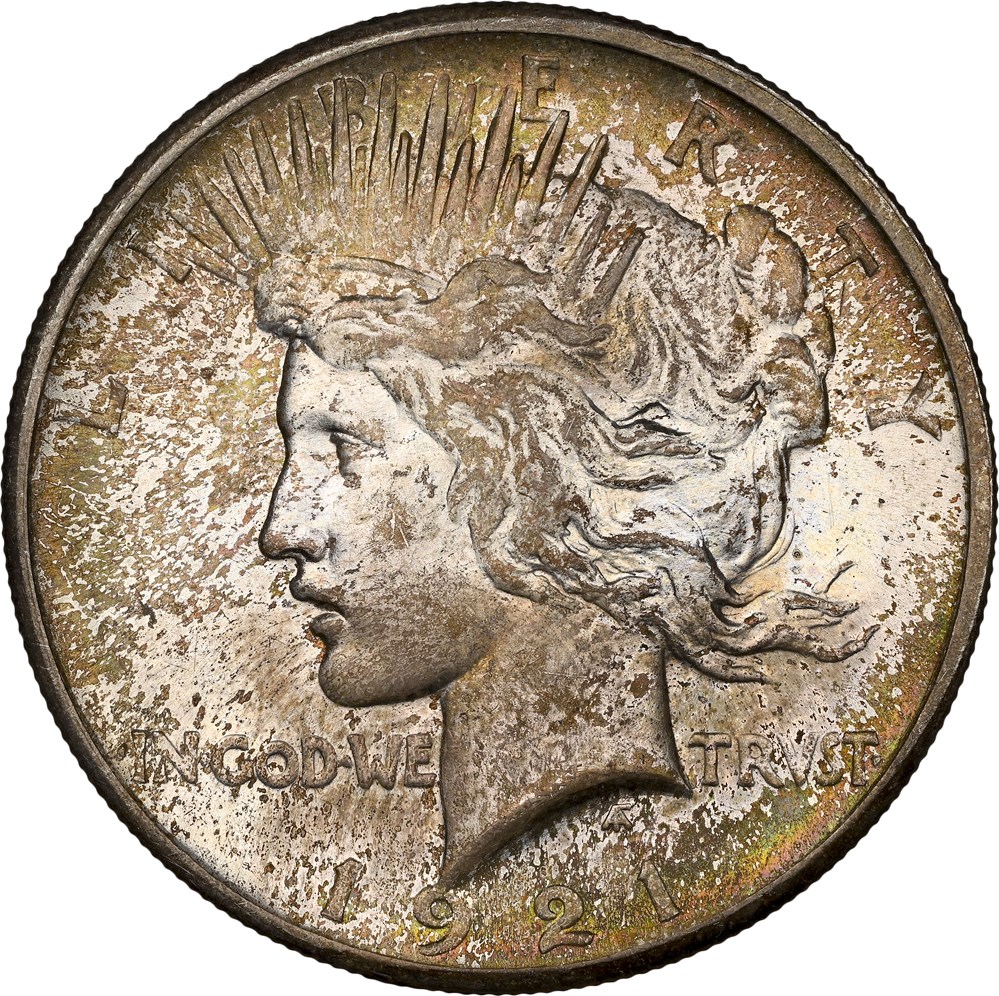
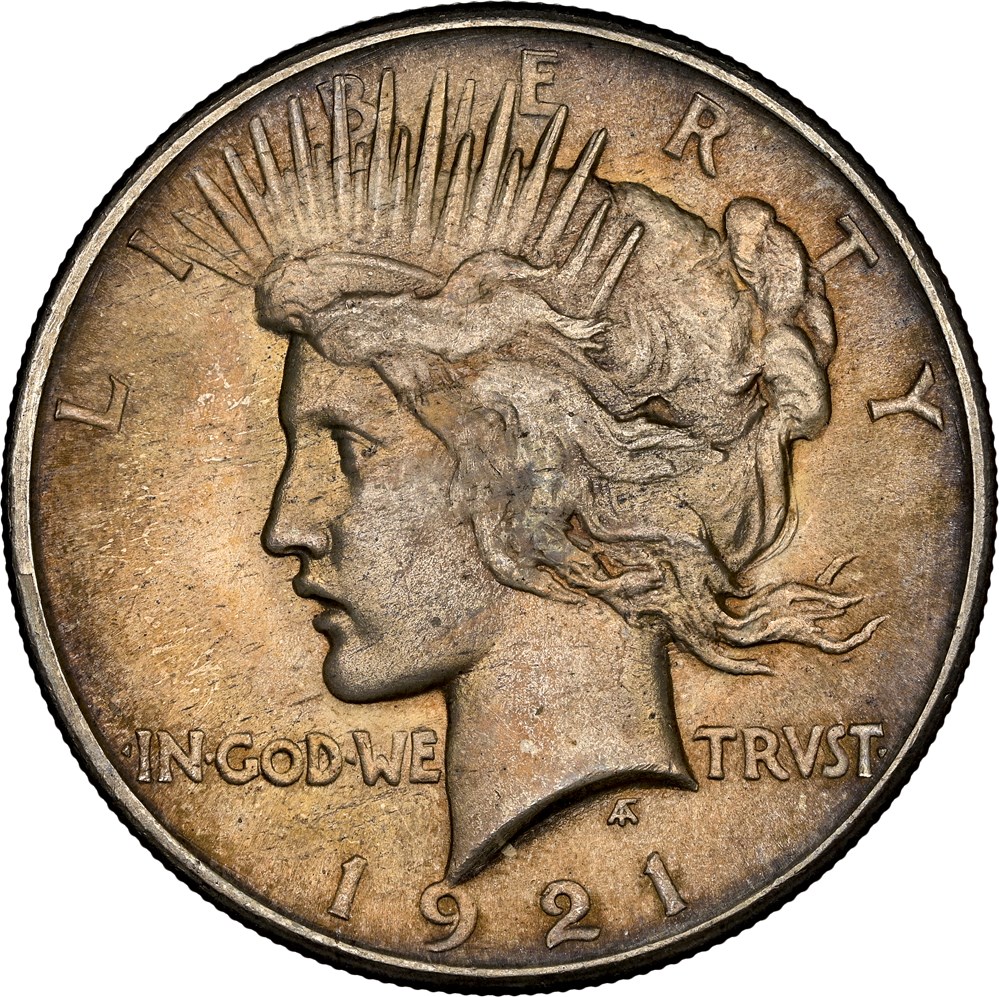
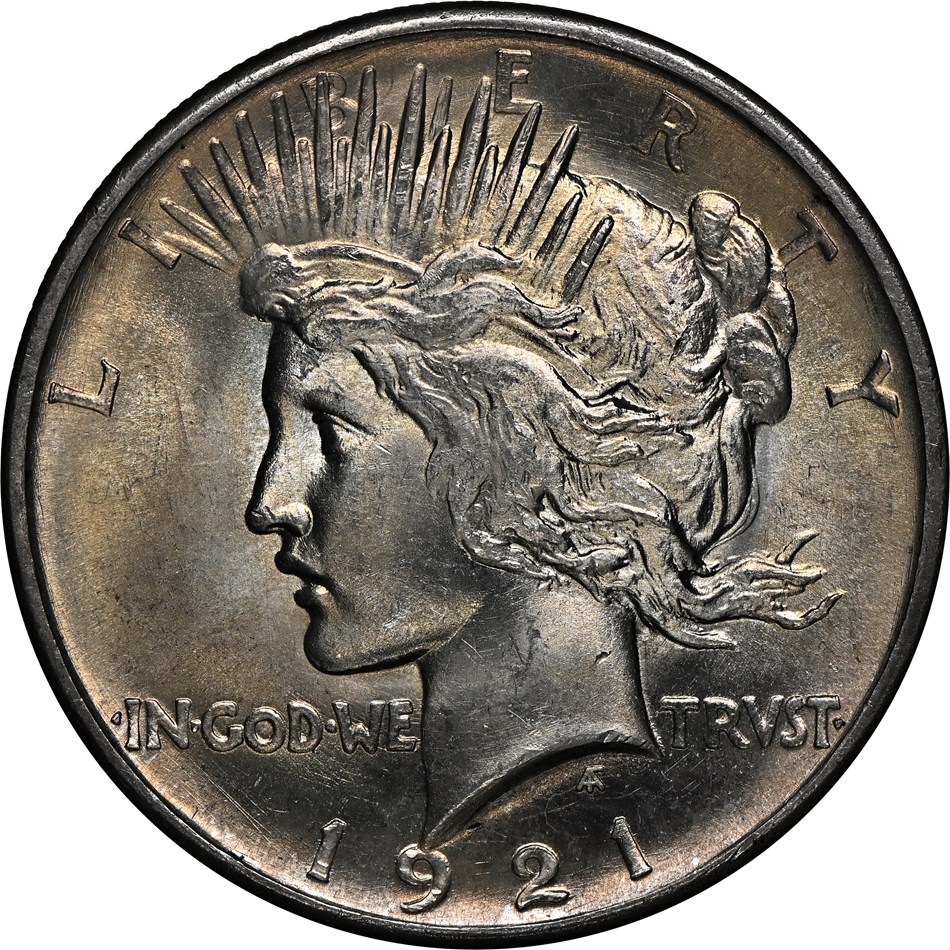
When shopping for rare coins, buyers should take many factors into consideration. First, realize that not every coin of the same grade looks identical. An MS 65 Peace Dollar can be bright white, darkly toned, toned on one side, be softly struck, have a needle-sharp strike, and about a thousand other variations of the above. The question to ask yourself: Which one represents the best value?
 |
 |
 |
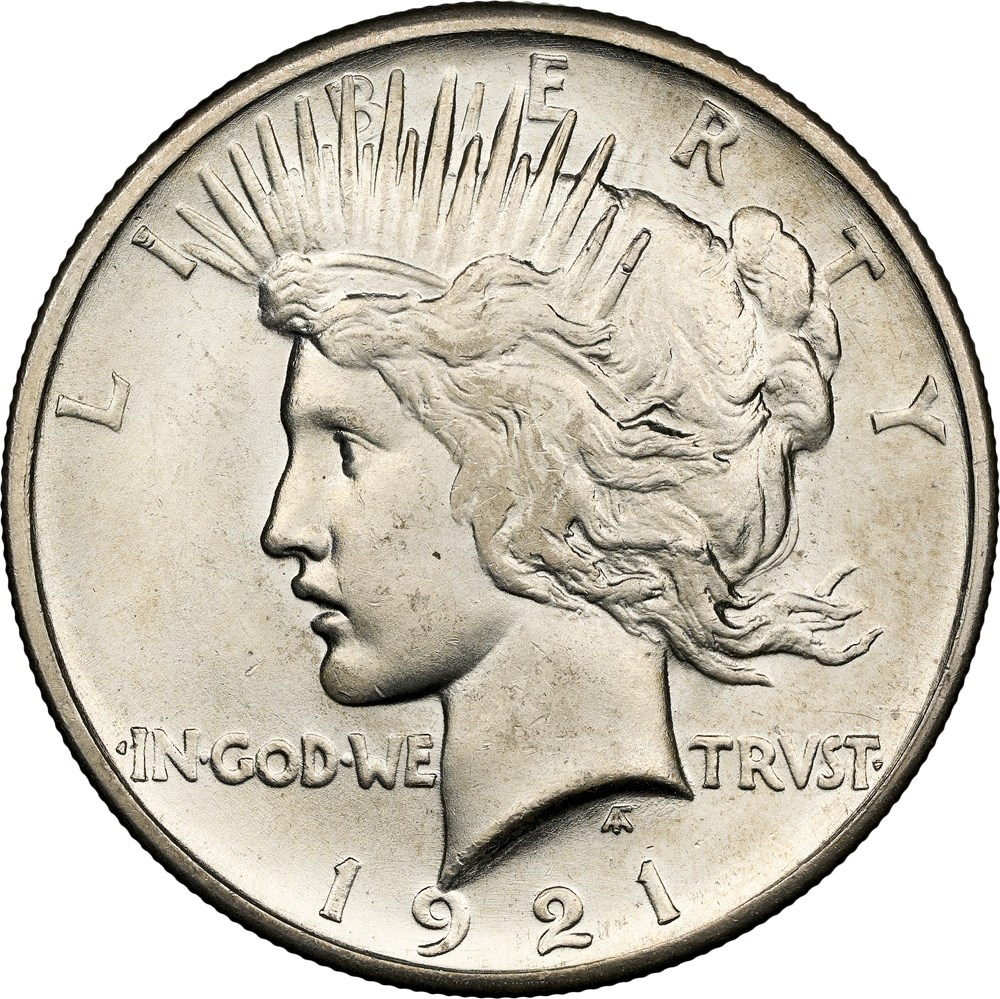 |
| 1921 High Relief Peace Dollars each graded NGC MS 65 Click images to enlarge. |
|
Is the MS 65 1921 Peace Dollar priced at $3,500 a better value than another MS 65 1921 Peace Dollar priced at $2,750. If you have a basic understanding of quality, the latter should be strongly considered. Nobody is recommending buying unattractive coins based solely on price. That is actually one of the biggest mistakes many collectors (and dealers) make.
Education is the key for anyone serious about purchasing rare coins. You do not have to become an expert in rare coin grading, but fundamental knowledge of how a coin should look for the grade (and other characteristics for the issue you collect) will be very valuable when making a purchase decision.
Also, collectors should study price guides and other sources of information for the series they are most serious about. Patience is incredibly important, as well. Find the coin you like but try to judge for yourself if the coin represents good value for the price and grade.
In recent years, many collectors have become very involved in set registry collecting. Knowing how your set stacks up against other collectors is very exciting. Sometimes, the urge to be No. 1 can be irresistible. Auction records in many series have been shattered as a result of the set registry phenomenon. Prices for some post-1934 coins boggle the mind.
Are these coins good value? Perhaps not, but to climb to the top of the registry ladder is a thrill many collectors value over finding the best value when collecting. Some collectors actually do quite well, as long as there are others seeking the same thrill when it’s time to sell their collection. As with any numismatic purchase, do your homework and seek expert advice when possible.
Recommended Research
A couple of years ago, the ANA filmed my Advanced Coin Grading class that takes place over four days at Summer Seminar. You can watch the class online at money.org. The class takes a deep dive into problem coins, advanced grading, and most importantly, eye appeal. The "Importance of Eye Appeal" video can be found on the eLearning Academy.
Want to see more articles like this? Subscribe to the free NGC Weekly Market Report.
