NGC Conservation: Making Light Work of Heavy Residues
Posted on 6/16/2026
When coins are stored in improper conditions, they often end up with PVC residue or other unsightly and harmful contaminants blemishing the surfaces. Fortunately, NGC Conservation is here to help. NGC's conservationists use a variety of proprietary techniques to remove these harmful surface contaminants, stabilizing and protecting a coin's surfaces. Often, these conservation efforts also improve a coin's eye appeal. After coins are conserved, they are seamlessly transferred for NGC grading and encapsulation.
This month, NGC's conservationists encountered some coins that had particularly nasty residues forming on them, causing blemishes and obscuring the coins' surfaces. Here are a few highlights of the coins that were conserved by NGC Conservation in recent weeks:
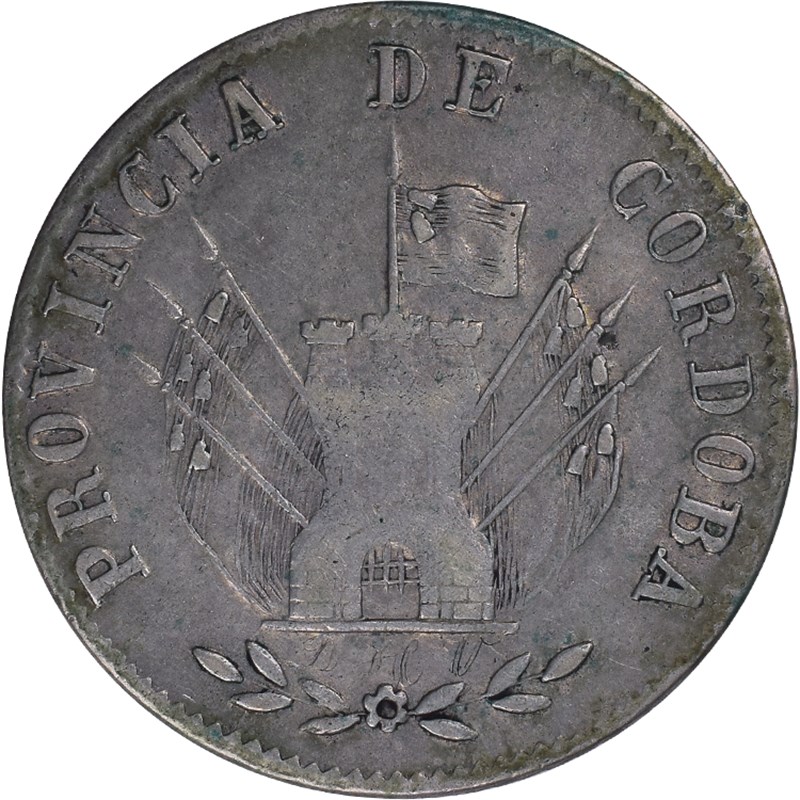
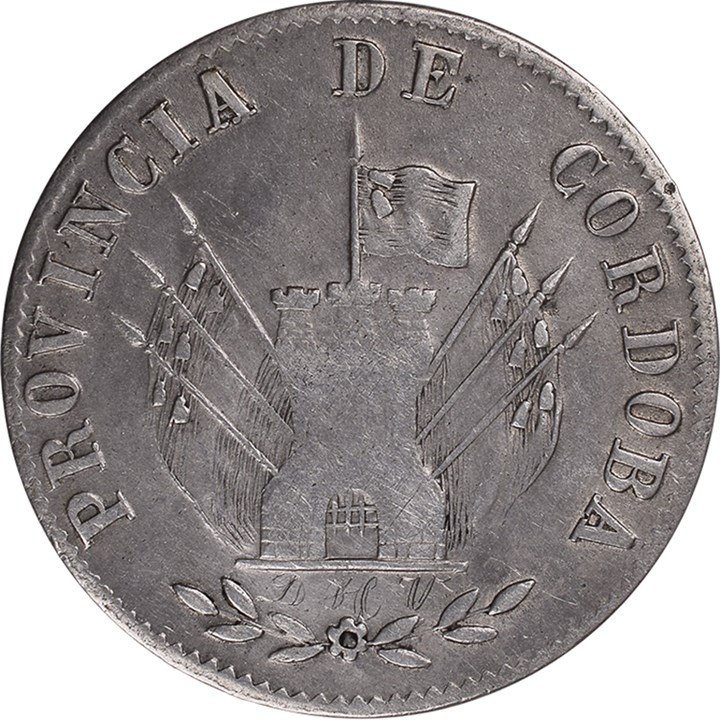
Argentina 1852 Cordoba 8 Reales
Residues often form when coins are kept in poor storage conditions. Some of these residues appear worse than others — take this large silver Argentina 1852 Cordoba 8 Reales for example. This coin was recently submitted for conservation to address an exceptionally heavy green residue that had completely covered one side. Conservators at NGC were able to safely remove this exceedingly thick residue using carefully developed techniques, all without harming the coin's surface underneath. After an extensive conservation effort, this silver piece was freed from its green prison and graded with NGC as Details, due to initials carved into the field below the tower.
 |
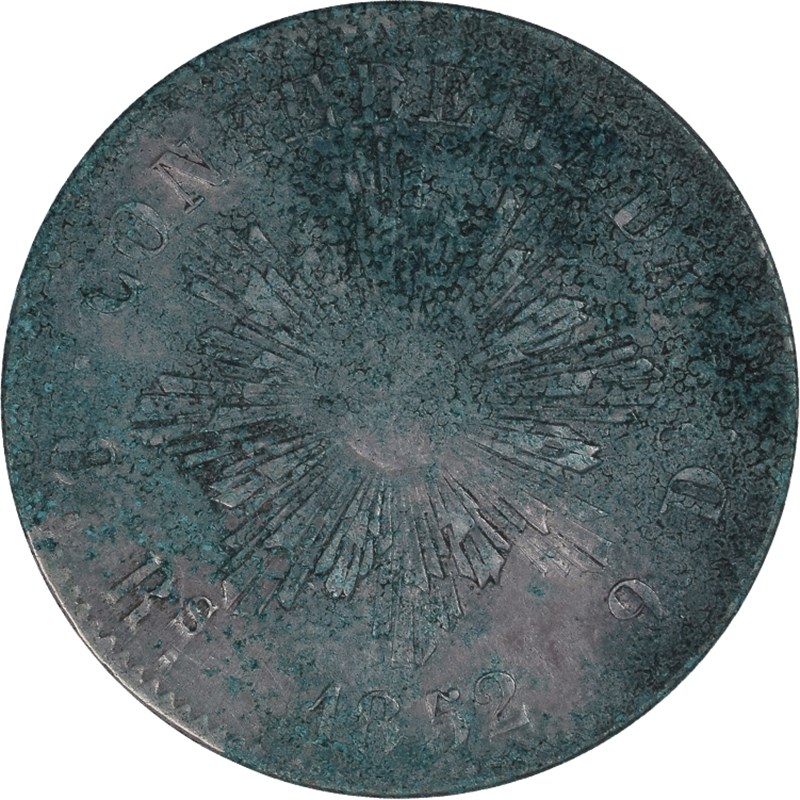 |
| Argentina 1852 Cordoba 8 Reales Before conservation Click images to enlarge. |
|
 |
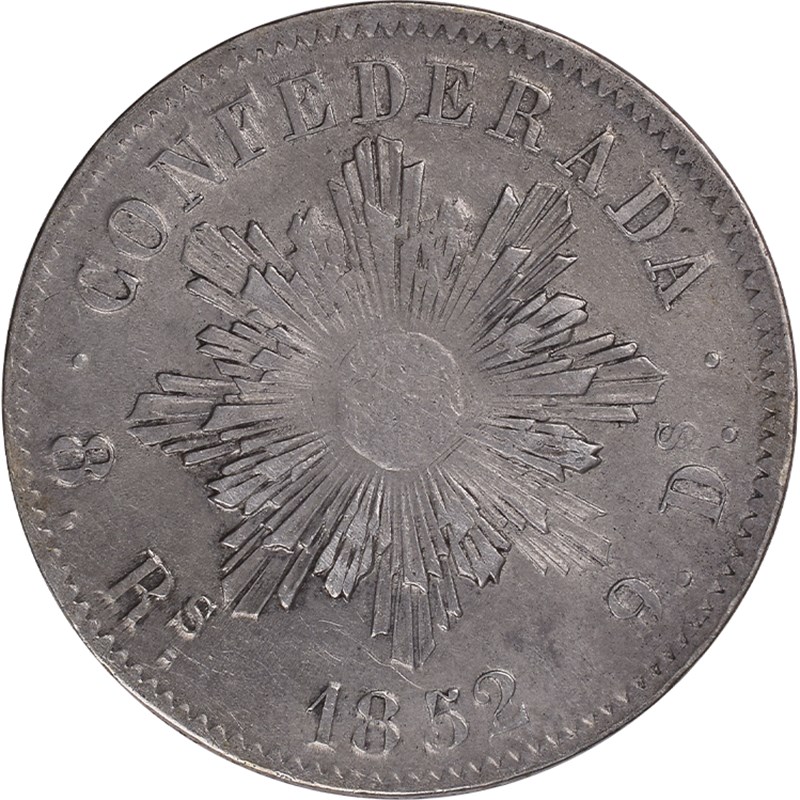 |
| Argentina 1852 Cordoba 8 Reales After conservation Click images to enlarge. |
|
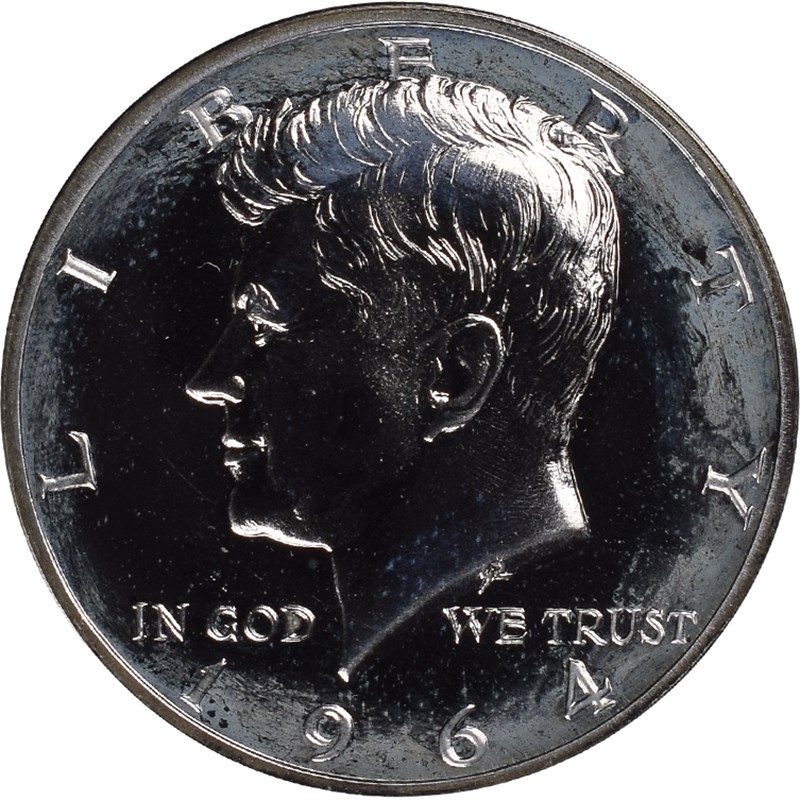
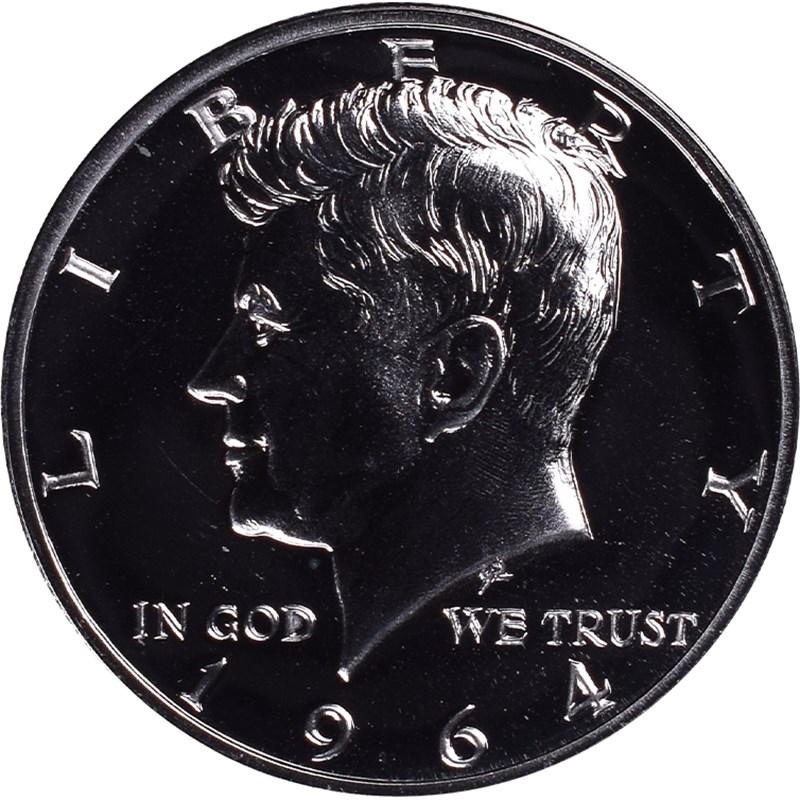
1964 Kennedy Half Dollar Proof
Even modern coin issues can develop residues, such as hazing. This Proof silver 1964 Kennedy Half Dollar was submitted to NGC Conservation to remove a heavy hazing residue that had developed in the fields, particularly toward the rims. Residues such as this often form when coins are stored while still exposed to the air. Once the offending residue was carefully removed, this Proof coin was able to grade well with NGC.
 |
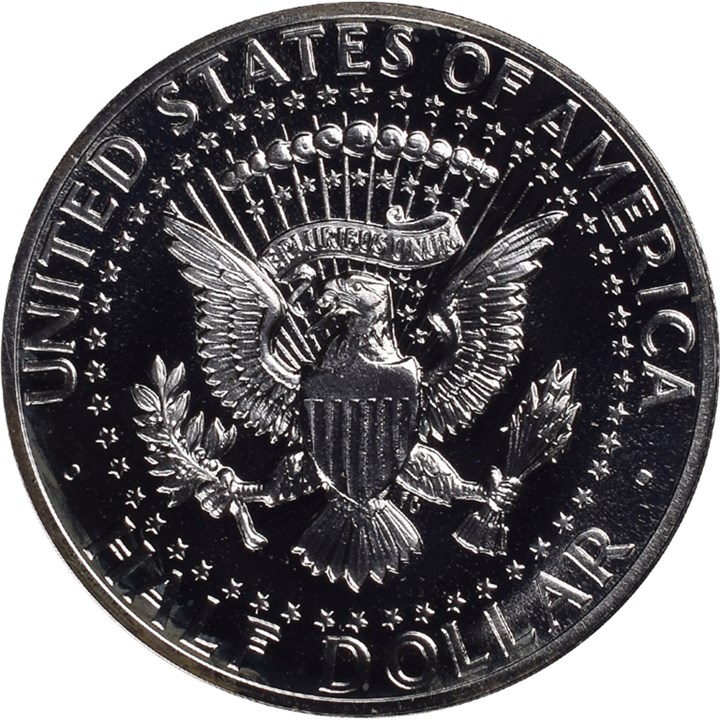 |
| 1964 Kennedy Half Dollar Before conservation Click images to enlarge. |
|
 |
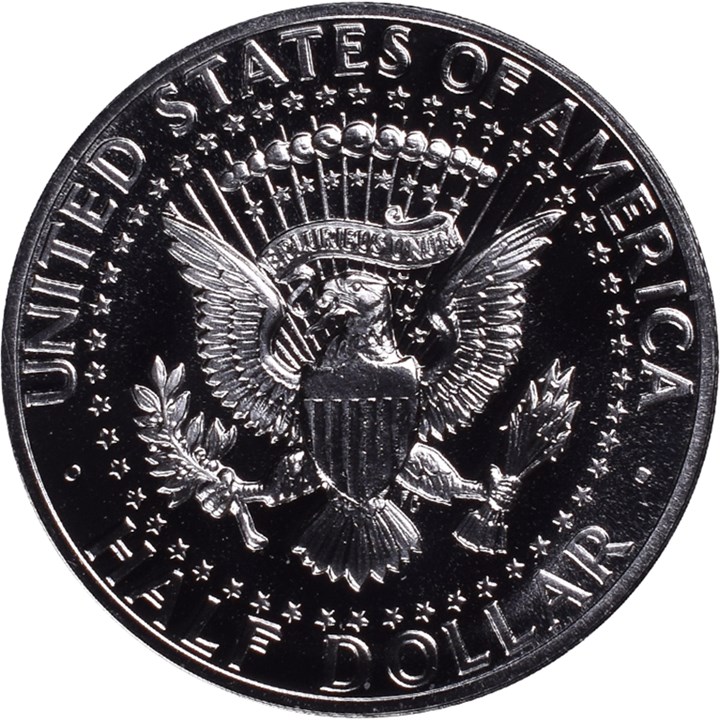 |
| 1964 Kennedy Half Dollar After conservation Click images to enlarge. |
|
South Africa 1939 2 Shillings
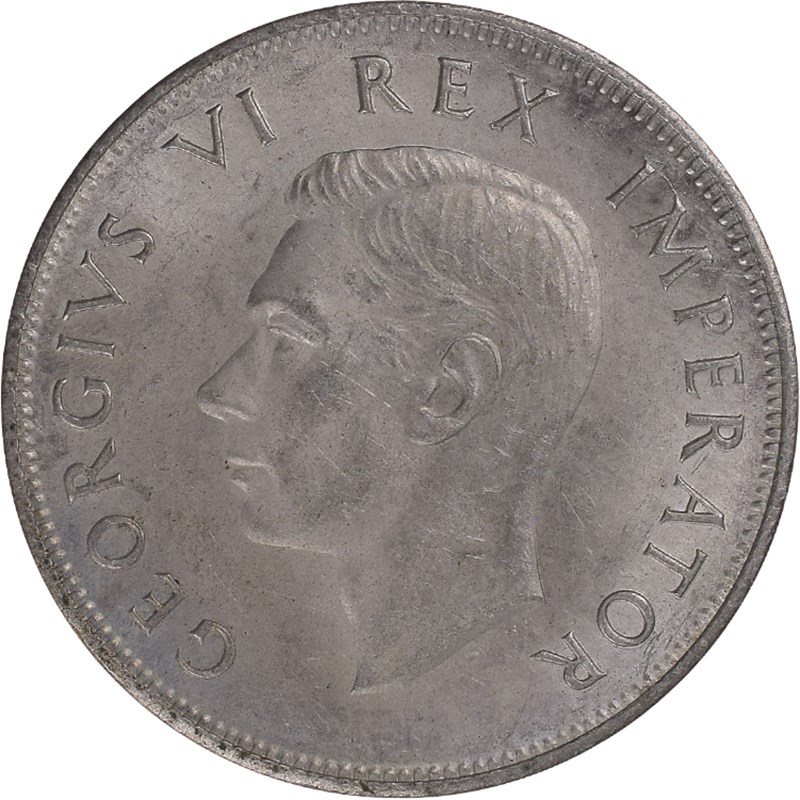
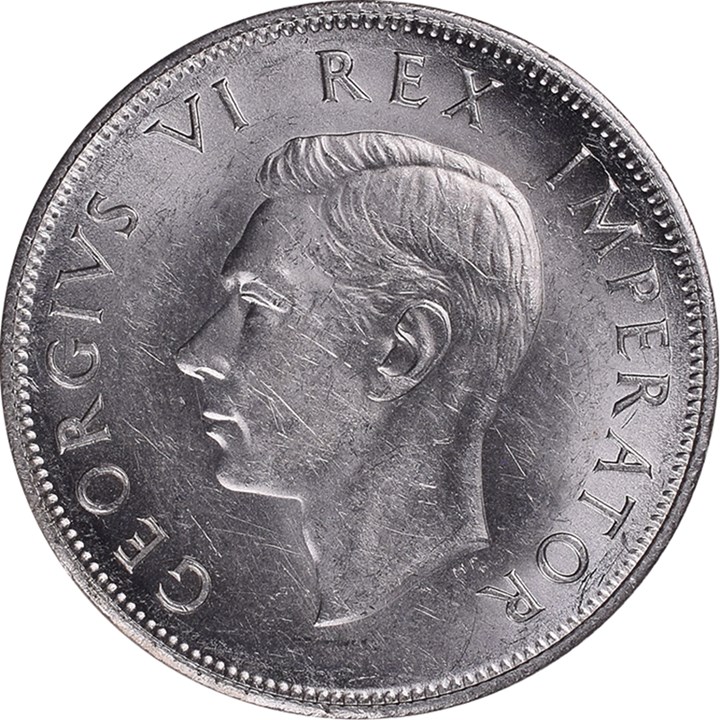
Even circulated coins can develop residues when stored in less-than-ideal conditions. This silver South Africa 1939 2 Shillings arrived with the request to remove a hazy residue that had formed in a uniform fashion across both sides. Removal of residues such as these is a process that NGC's conservators are well-versed in performing. Following conservation, this coin was able to grade well with NGC.
 |
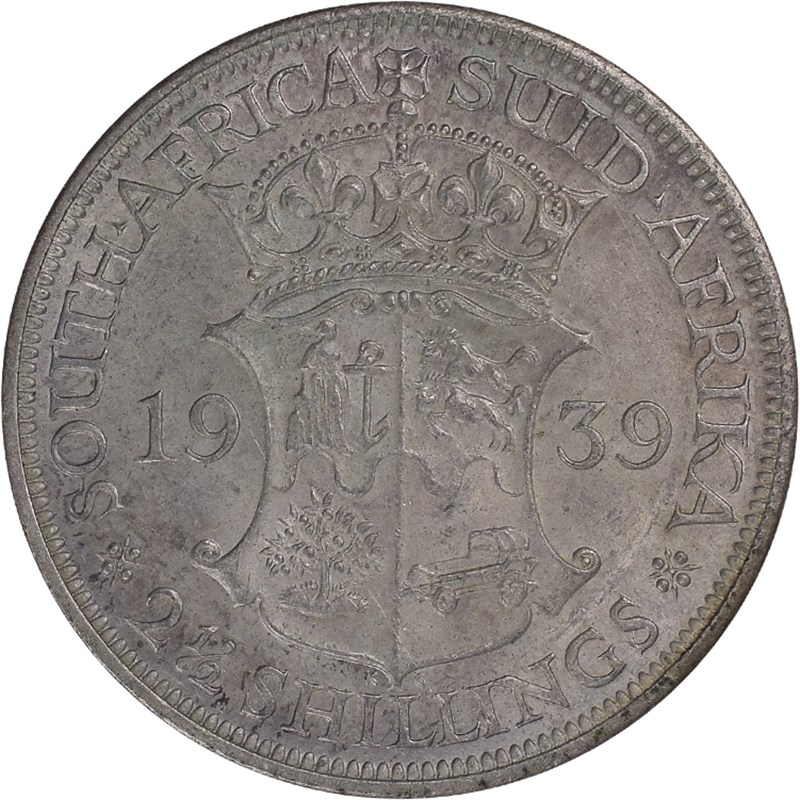 |
| South Africa 1939 2 Shillings Before conservation Click images to enlarge. |
|
 |
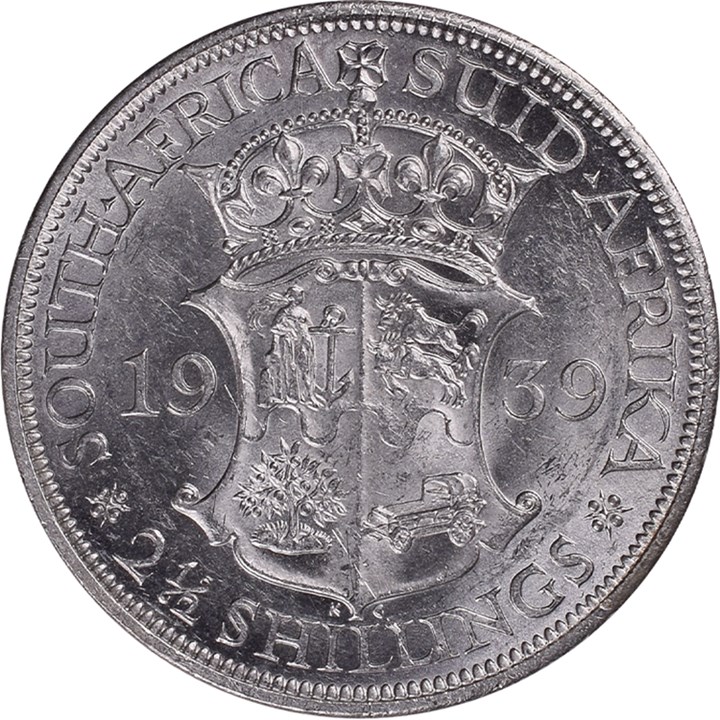 |
| South Africa 1939 2 Shillings After conservation Click images to enlarge. |
|
For more information about NGC Conservation, visit NGCcoin.com.
