NGC Conservation: Taking Care of Gold Coins with Delicate Surfaces
Posted on 4/14/2026
NGC uses a variety of proprietary techniques to remove harmful surface contaminants, stabilize and protect a coin’s surfaces and, in many cases, improve a coin’s eye appeal. After coins are conserved, they are then graded and encapsulated. Below are a few highlights of coins that were conserved and graded by NGC recently.
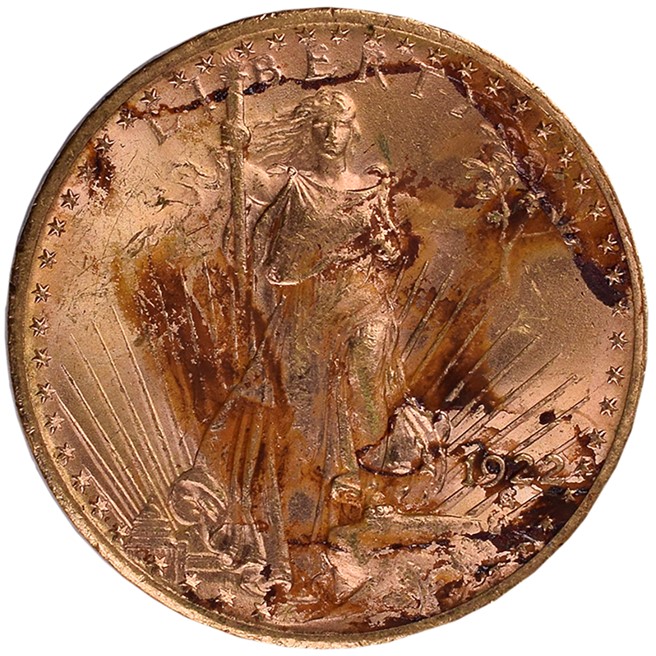
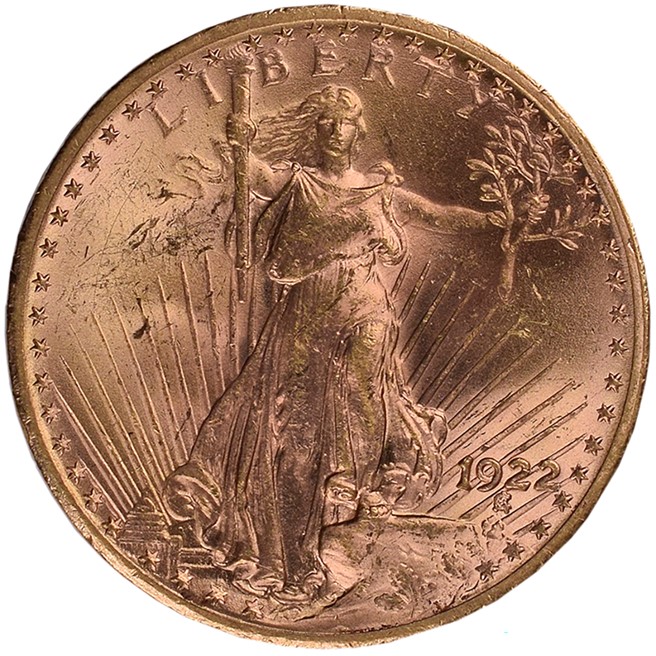
1922 Gold Double Eagle
As a softer metal, gold requires delicate and specialized conservation techniques to remove PVC and other residues caused by improper storage. This gold 1922 Double Eagle was recently submitted for NGC conservation to address a heavy opaque reddish residue that had formed in shocking fashion over the entire surface of the coin. Conservators were able to safely remove the residue without damaging the surface underneath, and the coin was able to grade numerically with NGC.
 |
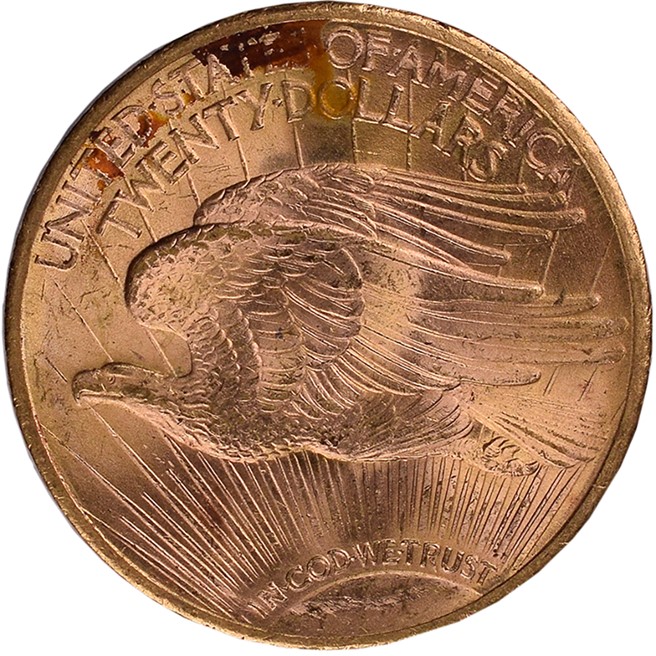 |
| 1922 Gold Double Eagle Before conservation Click images to enlarge. |
|
 |
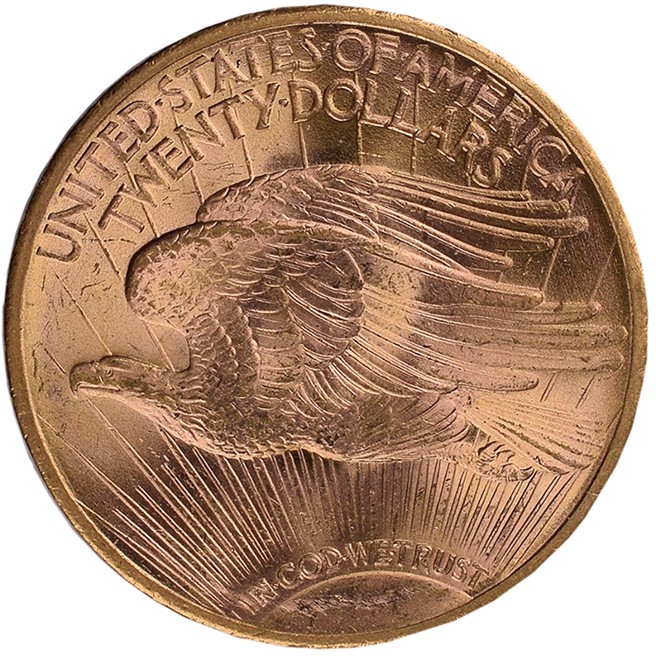 |
| 1922 Gold Double Eagle After conservation Click images to enlarge. |
|
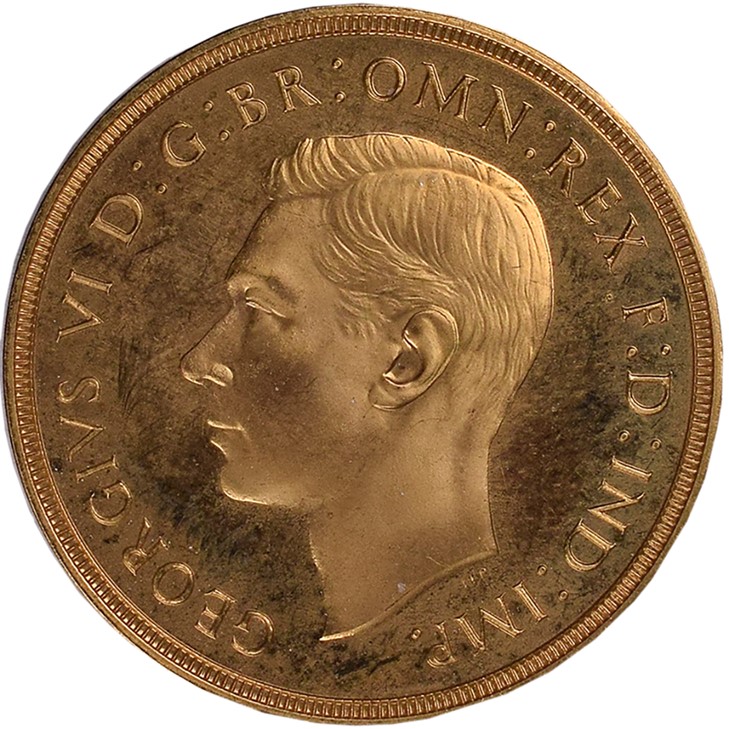
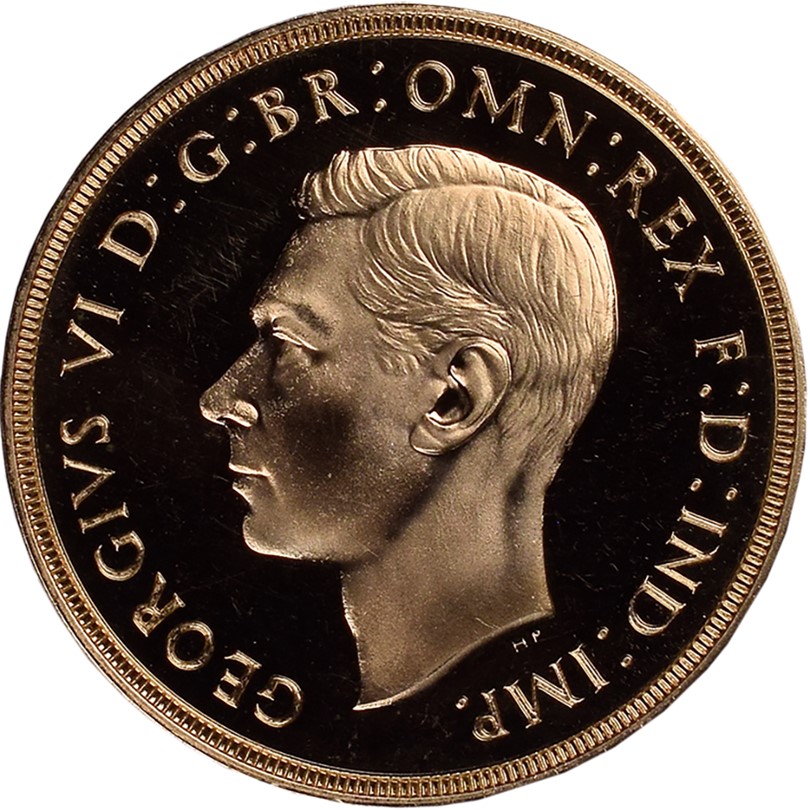
Great Britain 1937 2 Sovereign
Heavy PVC residue can potentially start corroding the surface of a coin if left unchecked. This gold Great Britain 1937 Proof 2 Sovereign was submitted to NGC conservators to remove a heavy residue that had developed evenly across the coin. Residues such as this one often form after being stored for a long time in holders that aren’t airtight. Once the offending residue was carefully removed, this Proof coin was able to grade well with NGC.
 |
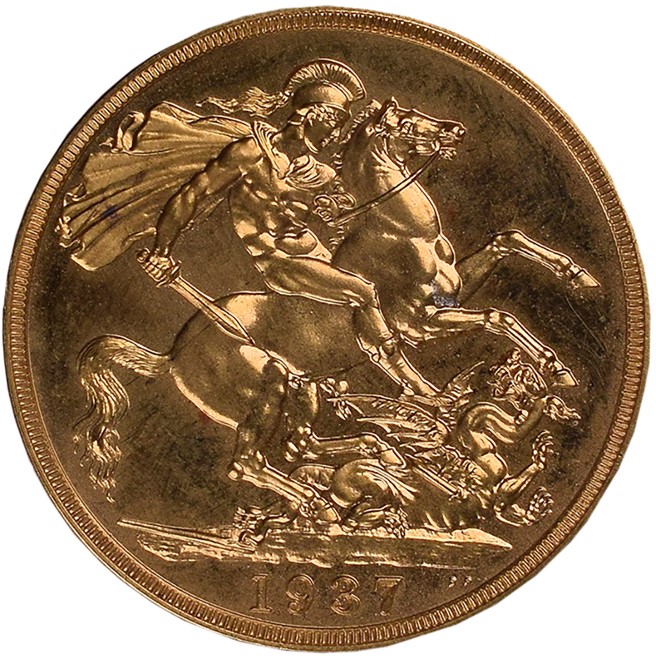 |
| Great Britain 1937 2 Sovereign Before conservation Click images to enlarge. |
|
 |
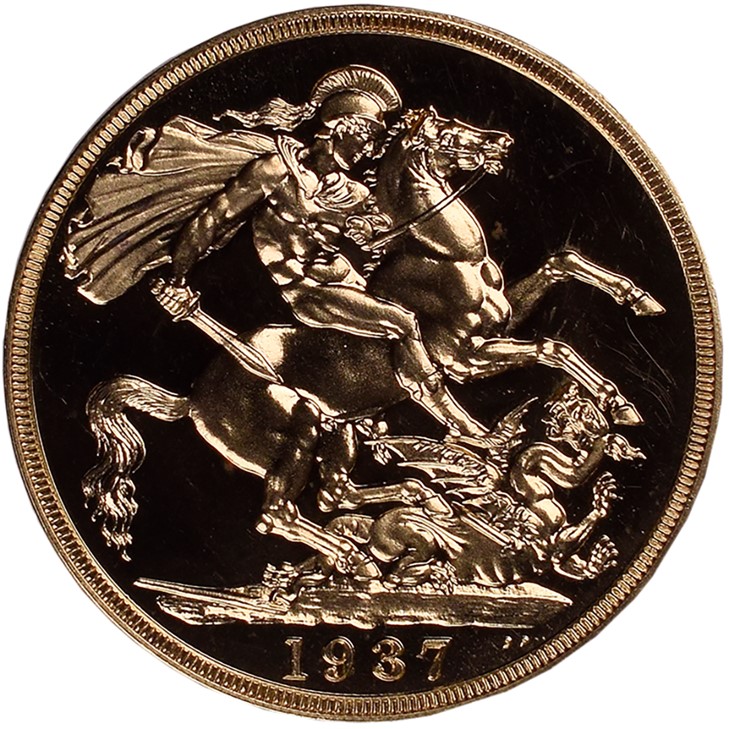 |
| Great Britain 1937 2 Sovereign After conservation Click images to enlarge. |
|
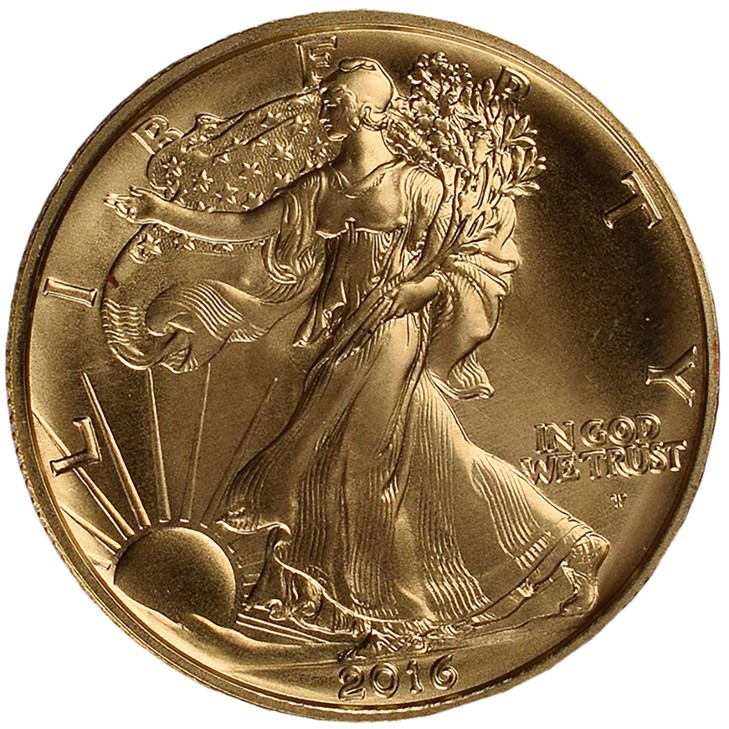
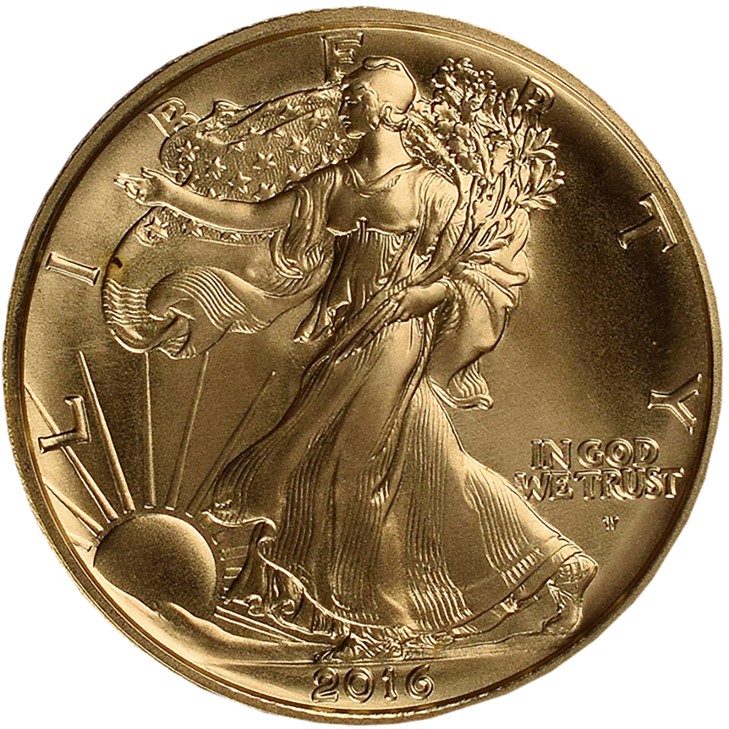
2016 Proof Gold Half Dollar
Gold coins, both modern and vintage, can frequently form what is commonly known as “copper spots” on their surfaces. These copper spots typically come in the form of dark red dots local to one specific area. This 2016 Proof Gold Half Dollar arrived at NGC to remove the distracting large red spot that had formed on the reverse. Removal of copper spots such as this is a process that professional conservators are well versed in performing. Following conservation, this coin was revealed to have a beautiful surface and graded well with NGC.
 |
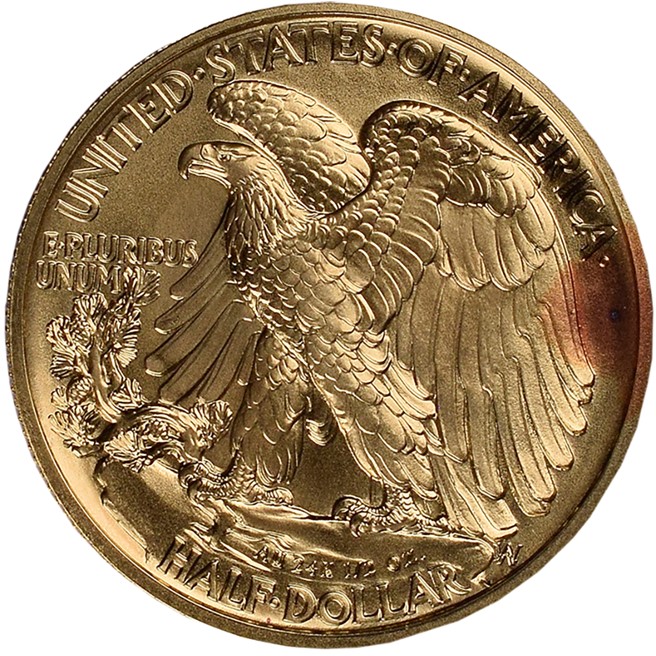 |
| 2016 Proof Gold Half Dollar Before conservation Click images to enlarge. |
|
 |
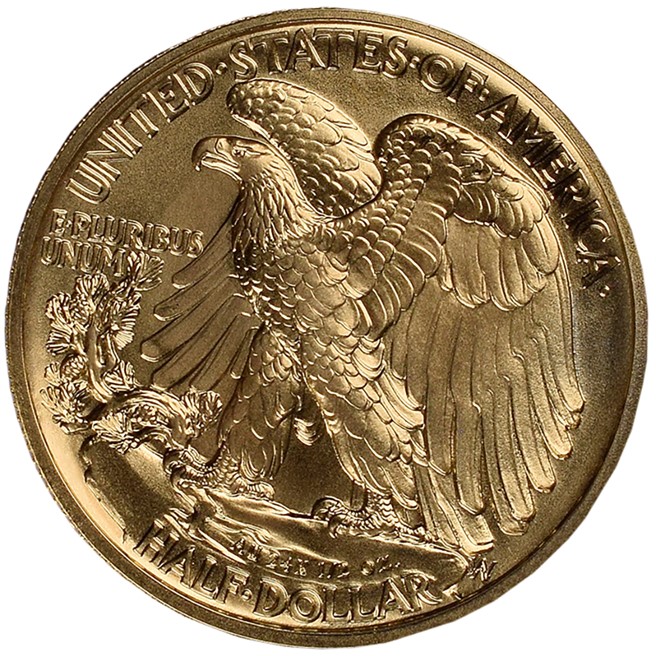 |
| 2016 Proof Gold Half Dollar After conservation Click images to enlarge. |
|
For more information about NGC Conservation, visit NGCcoin.com/ngc-conservation.
