Counterfeit Detection: Austria 1915 Ducat - Restrike
Posted on 3/17/2026
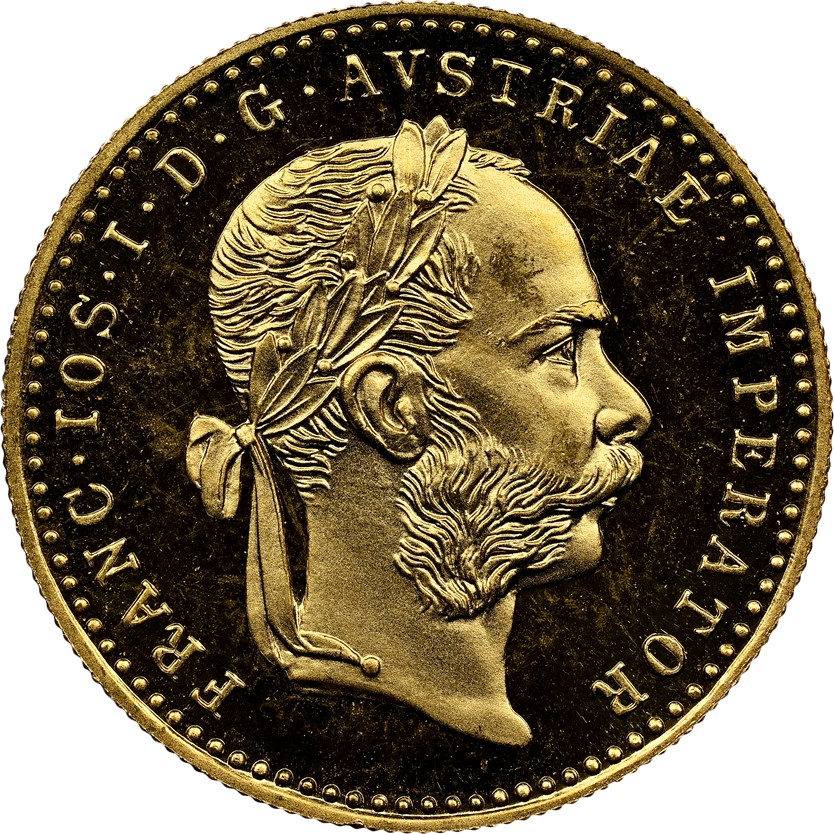
Over the past century, Austria has minted a coin frozen in time: the 1915 Ducat. The obverse shows Austrian Emperor Franz Joseph I, who died in 1916 amid World War I. Production was interrupted for World War II, but resumed in the 1950s; restrikes are available even today through the Austrian Mint.
 |
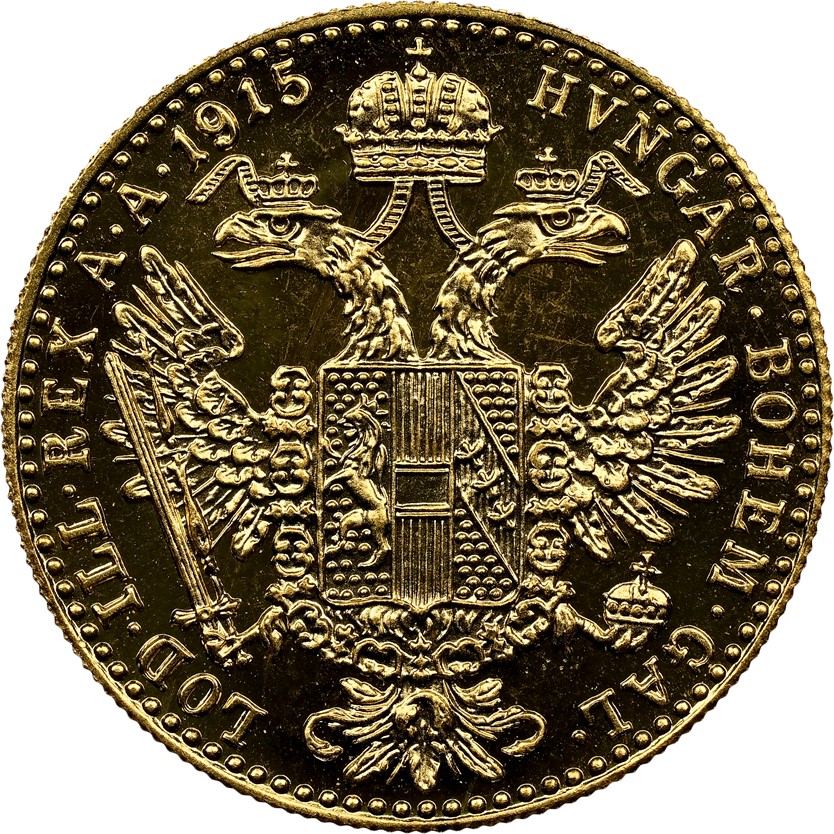 |
| Genuine Austria 1915 Ducat - Restrike Click images to enlarge. | |
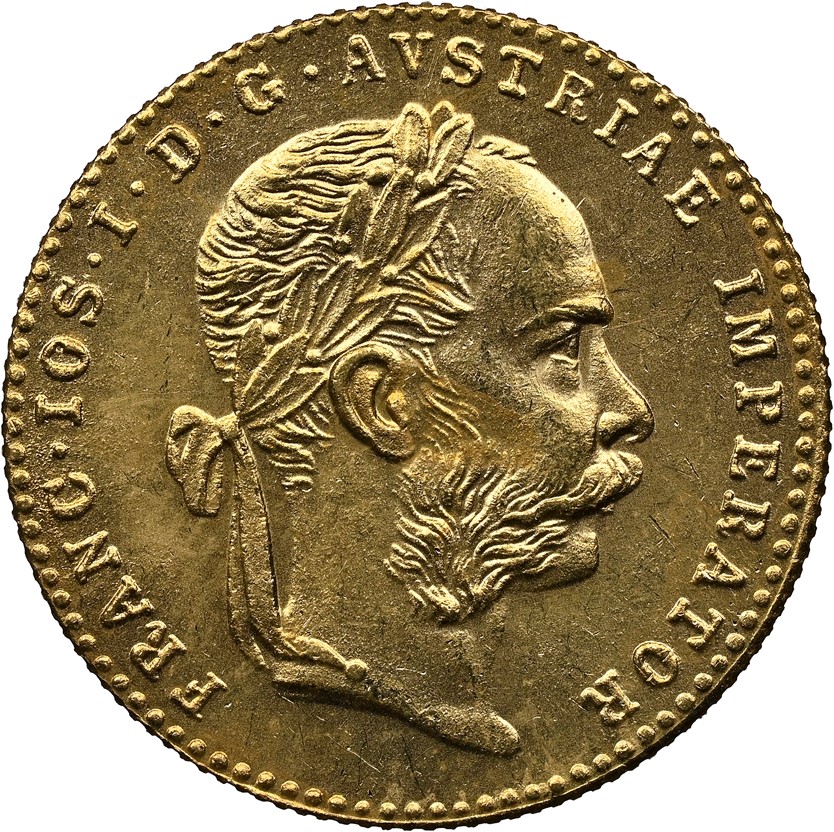
The coin is renowned for its high fineness of gold. Genuine examples weigh 3.49 grams and are struck with a fineness of .986. NGC received a submission of a purported example of this coin that was underweight at 3.29 grams. A metallurgical analysis determined it to be 61% copper and 38% zinc, with a small amount of nickel and iron.
 |
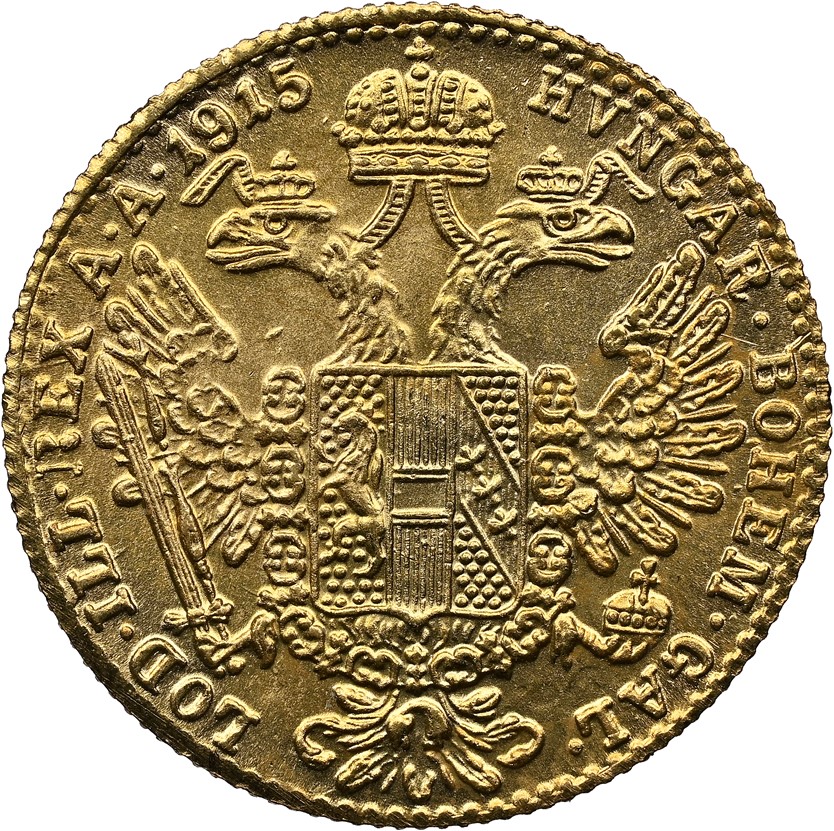 |
| Counterfeit Austria 1915 Ducat - Restrike Click images to enlarge. | |
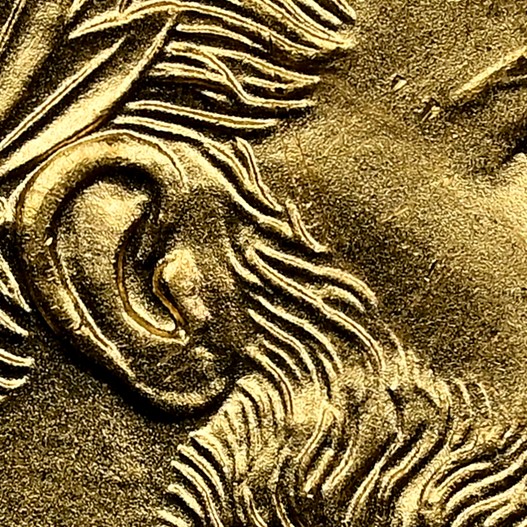
Even without the equipment to check the metal content of this coin, there are plenty of other clues that point to it being a fake. A close examination of the some of the design elements of the coin shows missing details, including the hair to the right of the ear.
 |
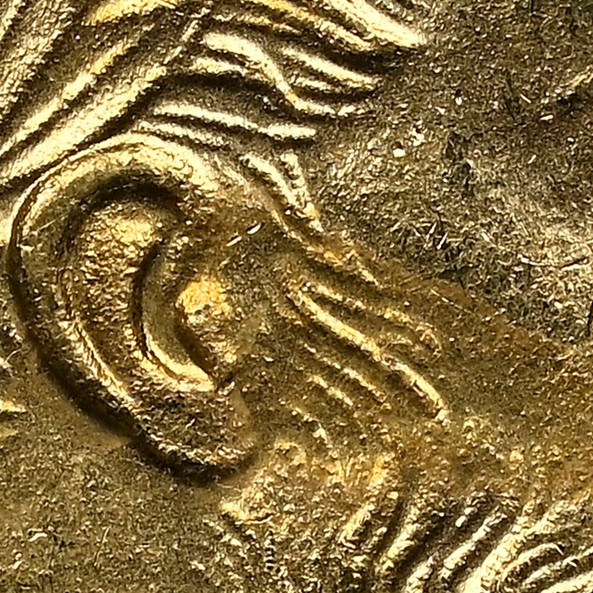 |
| Close-ups of genuine (left) and counterfeit Click images to enlarge. | |
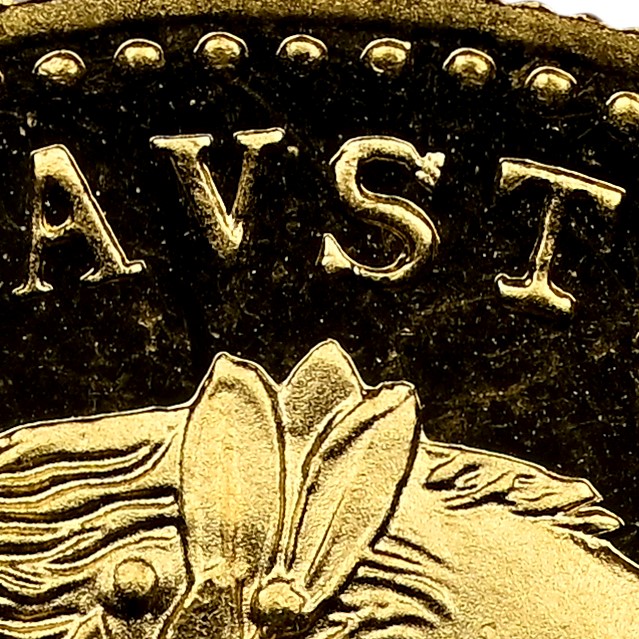
There is also porosity in the fields and the letters are bulbous. Just compare the AVST in the two images below:
 |
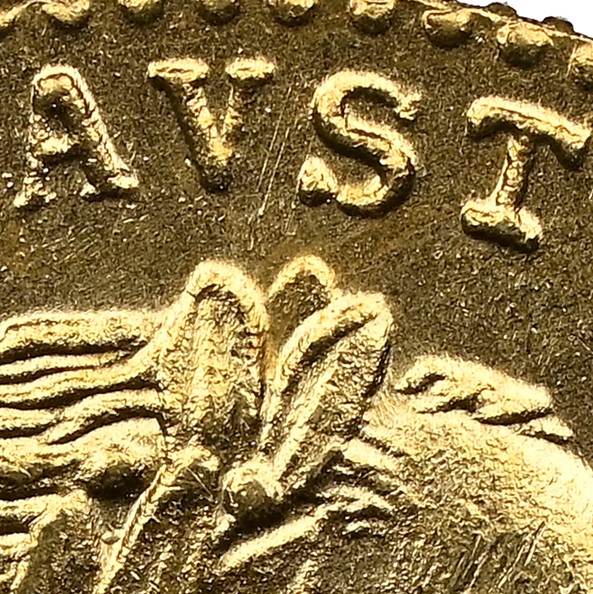 |
| Close-ups of genuine (left) and counterfeit Click images to enlarge. | |
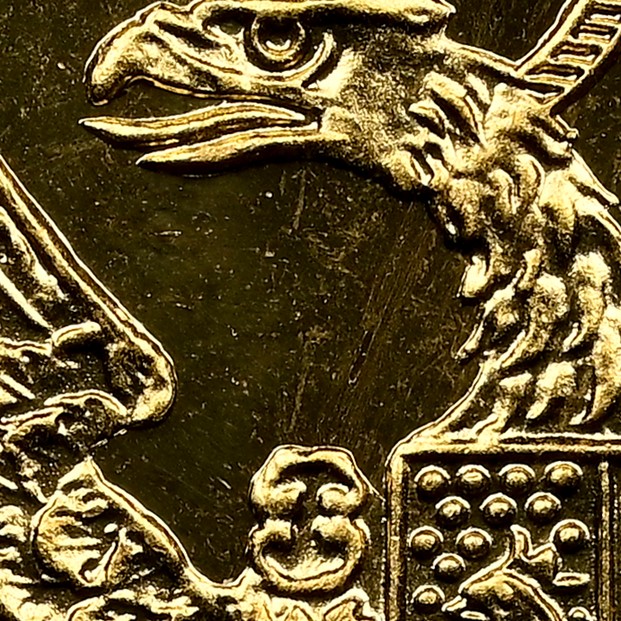
The problems continue on the reverse. The dots in the shield are amorphous when compared to the ones on the genuine example, and other design elements fall flat. And notice the large lump interrupting the field beneath the left eagle head. This shoddy workmanship is not something expected with this coin; it resulted from sloppiness on the part of the counterfeiter.
 |
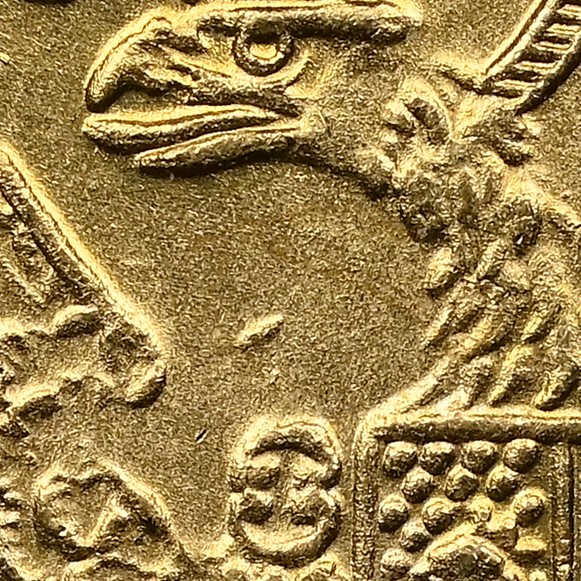 |
| Close-ups of genuine (left) and counterfeit Click images to enlarge. | |
The Austrian 1915 Ducat - Restrike has stood the test of time, but no one wants to buy a fake one, especially at today's gold prices! Remember, NGC’s determinations of authenticity and grade are backed by the NGC Guarantee.
Did you know? NGC has created a comprehensive Counterfeit Detection resource to help collectors and dealers identify counterfeit and altered coins. Visit NGCcoin.com/counterfeit.
