Jeff Garrett: A New Normal for Silver?
Posted on 2/19/2026
 |
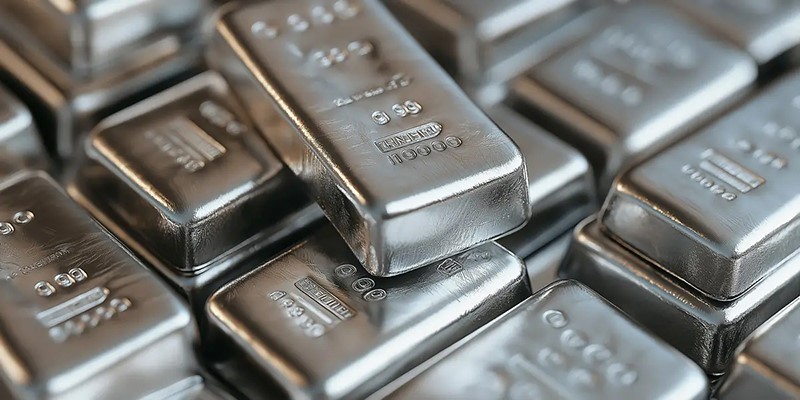
Gold and silver prices have been on one of the wildest roller coaster rides seen in decades. Most dealers and collectors active today were not active in the late 1970s and early 1980s, when gold and silver last saw this level of volatility. For years, when gold and silver bullion prices would bounce around, old-timers in the business would wax nostalgic about silver peaking at about $50 for a short time in January 1980.
When silver made that stratospheric surge in 1980, it was short-lived. The Hunt brothers attempt to corner the silver market was foiled by the federal government, who changed the trading rules on the exchange. Silver prices quickly fell to around $27 in March 1980. Dealers, at the time, were not surprised and thought silver had perhaps found a new trading level in the $25 range. That optimism was unfounded, as silver dropped again to below $13 in May.
Investors and dealers who had become convinced that gold and silver had dropped to a level that made it a no-brainer to jump in with both feet were destroyed, as silver finally bottomed out to below $6 during the summer of 1982. Incredibly, silver bounced around at that level for the next 20 years, with the record low being about $3.50 in that time period.
 |
|
| Photo courtesy of Adobe Stock | |
From its peak in 1980 of $50, traders were seeking the “new normal” trading range for silver. It was not $27 or $13, but the disappointing price of only $5 to $6. The price of gold and silver bullion has long been an important factor in the numismatic industry. Surges generate interest and dealers are famous for plowing bullion profits into numismatics.
In the last 5 or 6 years, silver has been trading in the $20 to $30 range, with some degree of stability. The price of silver had been badly trailing gold prices as the yellow metal surged. The price ratio of gold to silver briefly exceeded 100 to 1. Central banks and investors were committing vast sums to gold as a hedge against uncontrolled sovereign deficits. Gold prices peaked at over $5,500 in January and have recently settled around $5,000.
About the same time in January, silver prices soared to almost $120 per ounce, briefly. That party did not last long and prices crashed to about $75 per ounce. For the last few weeks, silver has seemed to settle in this price range. The big question we all need to ask: Is this the “new normal” for silver bullion prices?
This is an important question, as the numismatic trade tries to adjust to this elevated level. Bullion prices have a huge impact on so many numismatic items that we all buy and sell each week. The US Mint recently raised prices of their silver numismatic products to unprecedented levels.
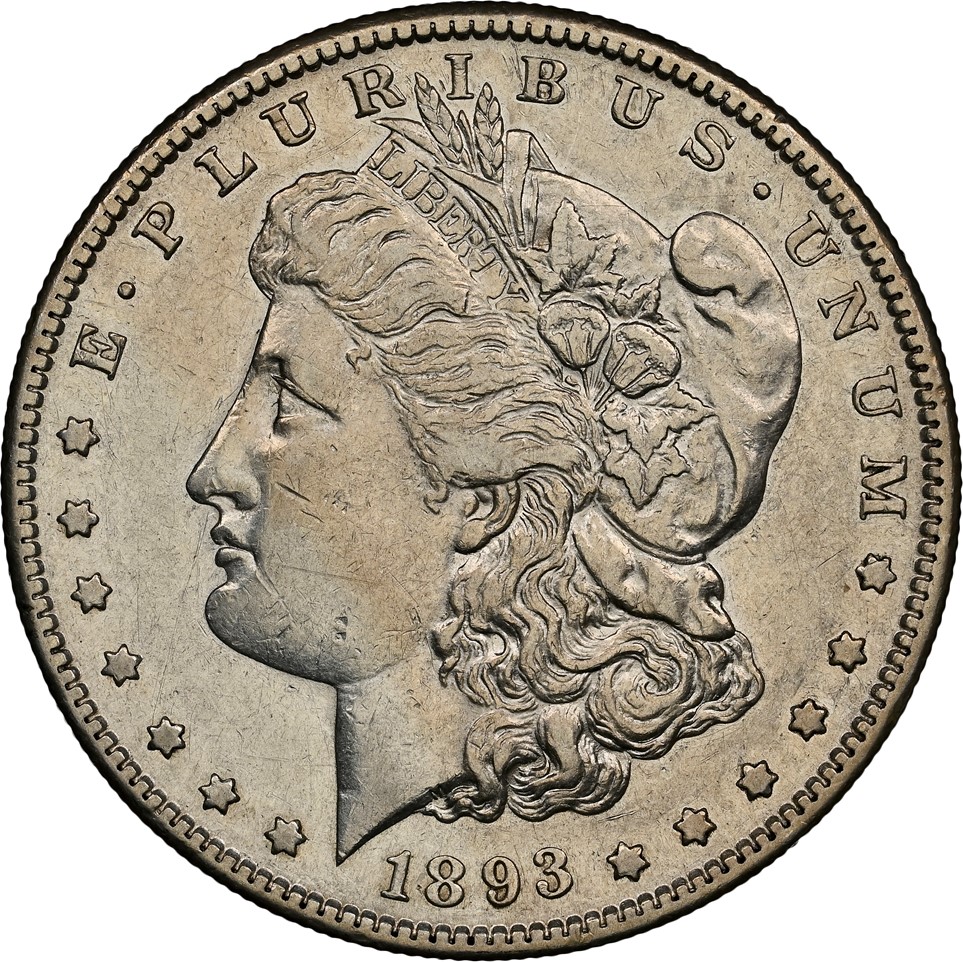
For a brief time, most bullion-related numismatic items had been traded at steep discounts to their actual metal value. Morgan Silver Dollars have recently traded at around $5 to $10 below their melt value.
 |
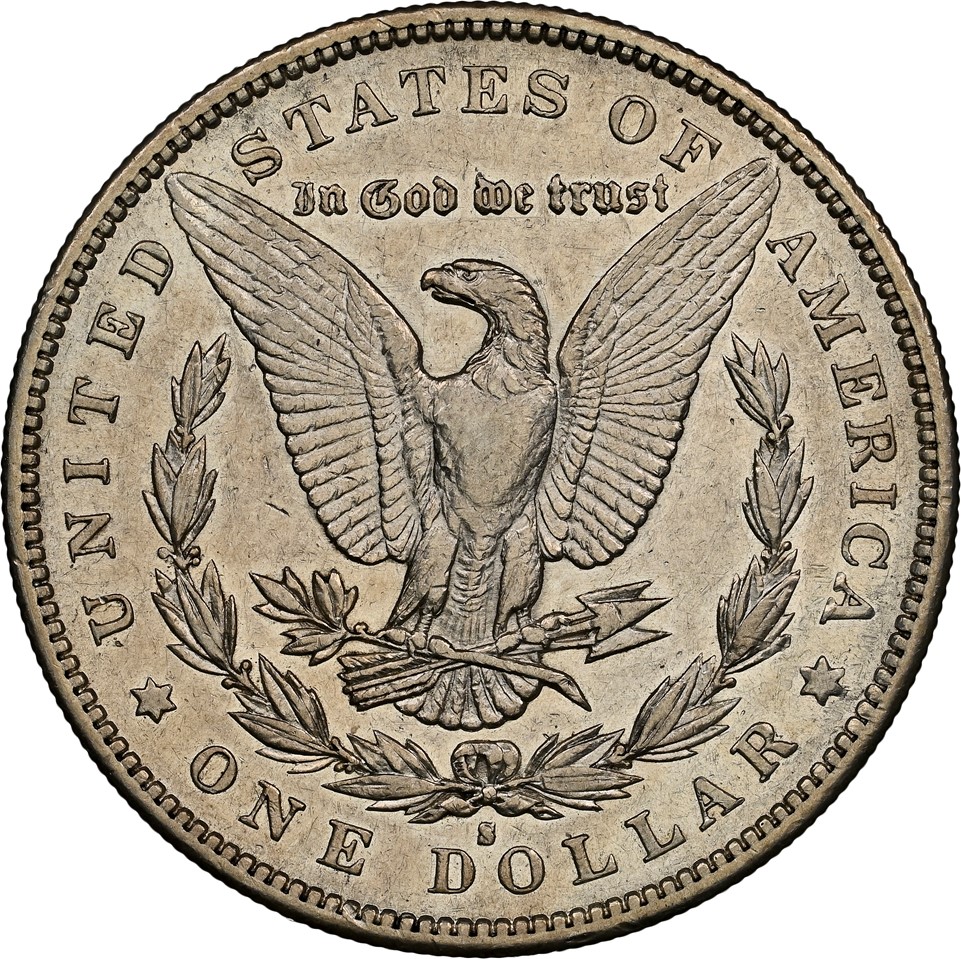 |
| An 1893-S Morgan Dollar Click images to enlarge. |
|
The stated reason for these steep discounts has been the backup at the refiners. Common date pre-1964 silver coins still trade for well below their silver value. The worst discounts have been assigned to sterling silver, which for a time was unsaleable.
If silver can steady itself in the $75 range, the markets will adjust and discounts will fade away, as the major bullion houses start to compete for everyone’s business. Coin prices will also start to look very underpriced. Scarce date Mint State Morgan Silver Dollars have barely moved, even though silver prices have nearly doubled. If silver stays above $75, coin prices will surely rise on a lot of issues.
With so much uncertainty in the world, volatility in the metals market is likely here to stay in the short term. Is silver really worth $75 per ounce? That will be the question investors will face in the coming weeks. The classic statement "It's different this time” may or may not be true.
Silver proponents tout the newfound uses for silver in everything from solar panels to AI data centers and EV automobiles. My guess is that speculators will have the biggest impact in the near term. When silver briefly blew past the $100 level, our office was flooded with calls from buyers desperate to get in at any cost. Three weeks later and the phones have fallen silent.
History may not repeat itself, but the lessons of 1980 should at least be taken into consideration. The urge to jump on the bandwagon can be overwhelming in today’s nonstop news cycle and social media feeds. My only advice for silver investors is to consider cost averaging to avoid buying at the market peaks. This may not be as exciting, but you will probably sleep better!
Want to see more articles like this? Subscribe to the free NGC Weekly Market Report.
