NGC Conservation: Winning Against PVC Residue
Posted on 2/17/2026
NGC® uses a variety of proprietary techniques to remove harmful surface contaminants, stabilize and protect a coin’s surfaces and, in many cases, improve a coin’s eye appeal. After coins are conserved, they are then graded and encapsulated. Below are a few highlights of coins that were conserved and graded by NGC recently.
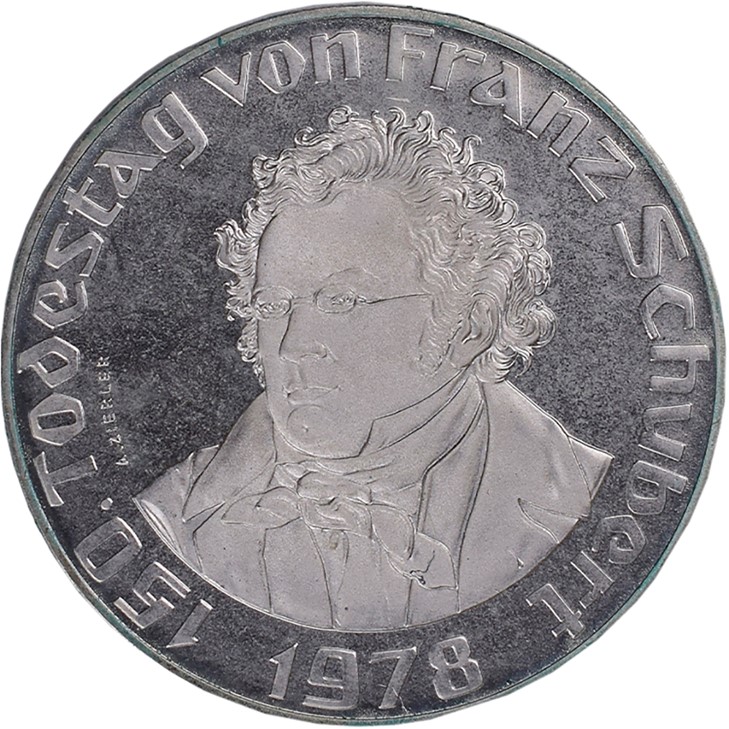
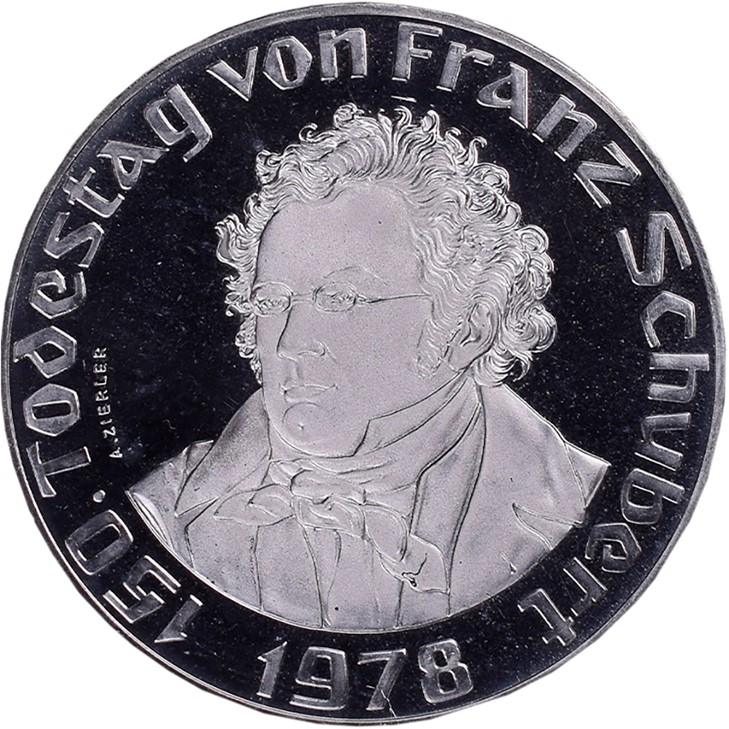
Austria 1978 50 Schilling
Among the many residues that can form during long-term storage in low-quality coin holders is the dreaded PVC. PVC residue will most often appear as a green haze and / or a thick residue on the surface of silver coins. If left to develop, PVC can begin to permanently damage the surface of the coins afflicted.
This Austria 1978 50 Schilling, issued in honor of composer Franz Schubert, was recently submitted to NGC Conservation to address green jade-like residue on the high points of the design. Conservators at NGC Conservation have developed specific techniques to safely remove tell-tale green PVC residues such as this without damaging the surface underneath. Fortunately, the PVC had not damaged the surfaces underneath and this coin was able to grade well with NGC.
 |
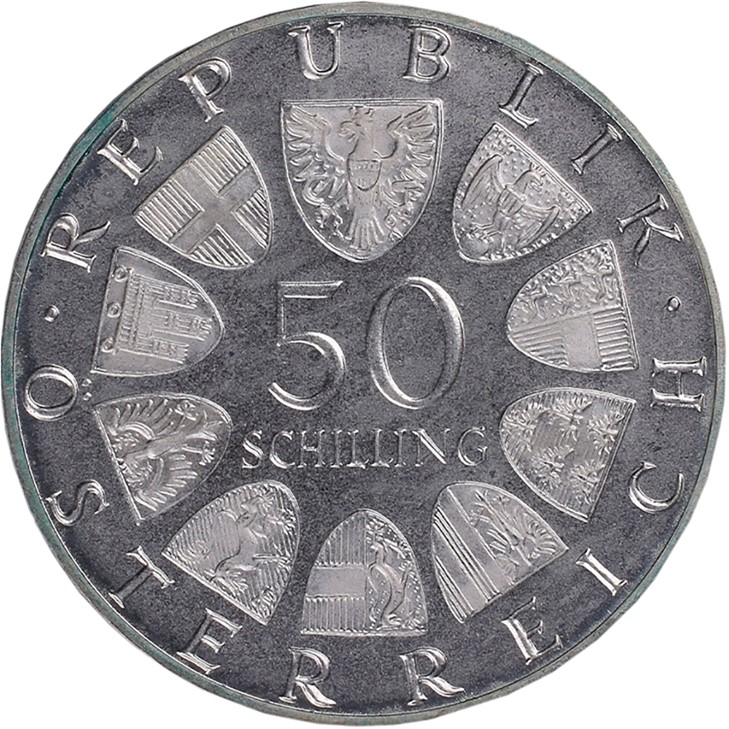 |
| Austria 1978 50 Schilling Before conservation Click images to enlarge. |
|
 |
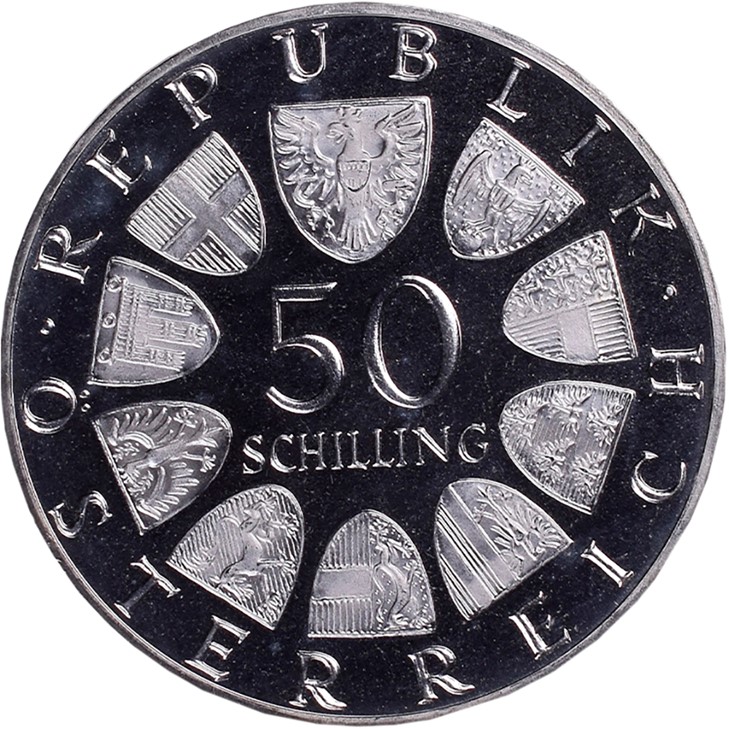 |
| Austria 1978 50 Schilling After conservation Click images to enlarge. |
|
South Africa 1 Rand
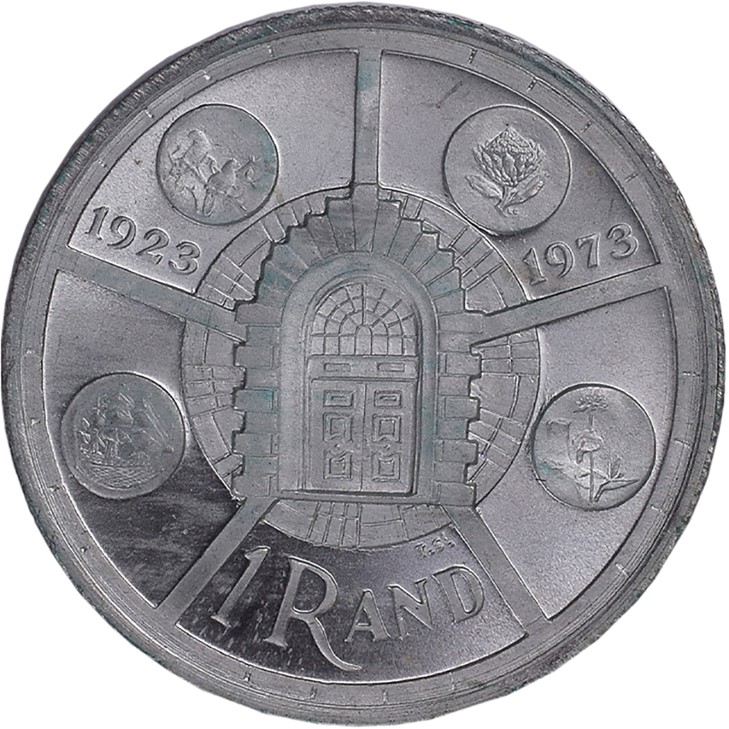
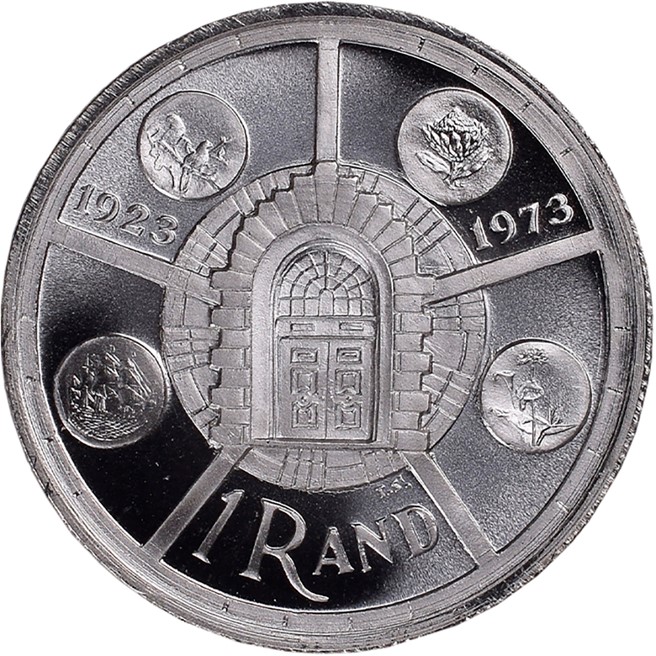
Heavy PVC residues are not only ugly, but they can potentially begin corroding the surface of a coin. This silver South Africa 1 Rand — issued for the 50th anniversary of the Pretoria Mint — was submitted to NGC Conservation to remove a heavy green PVC residue that had developed evenly across the surface. Residues such as this are often markers of long-term storage in soft flips. Once the offending residue was carefully removed without damaging the surface beneath, this coin was able to grade well with NGC.
 |
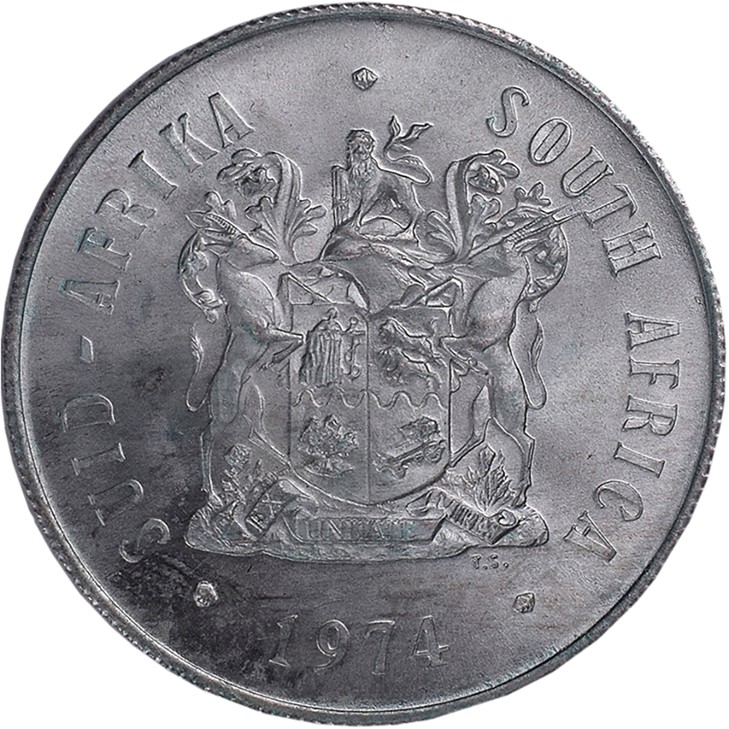 |
| South Africa 1 Rand Before conservation Click images to enlarge. |
|
 |
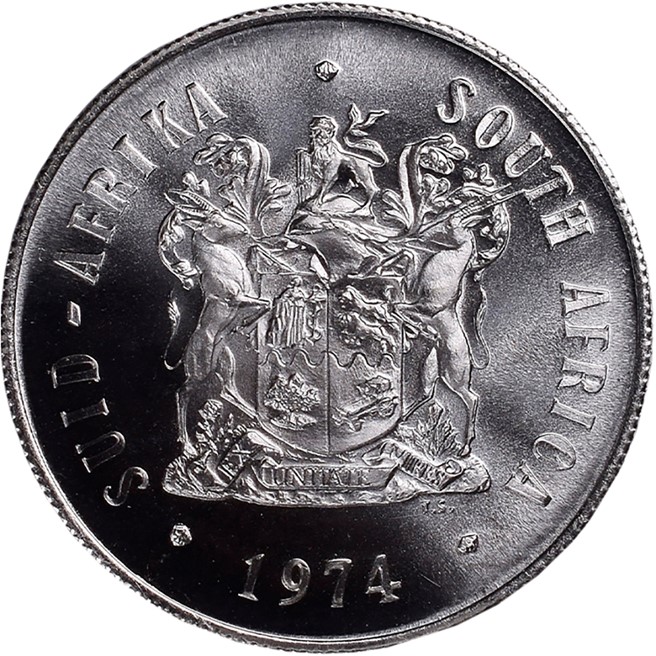 |
| South Africa 1 Rand After conservation Click images to enlarge. |
|
Germany 1967F 5 Mark
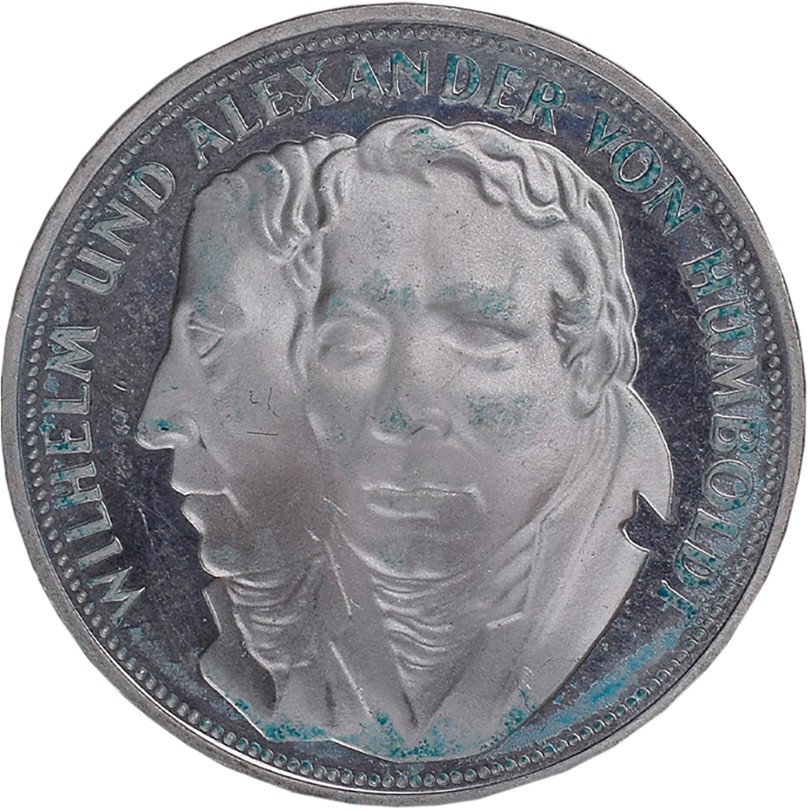
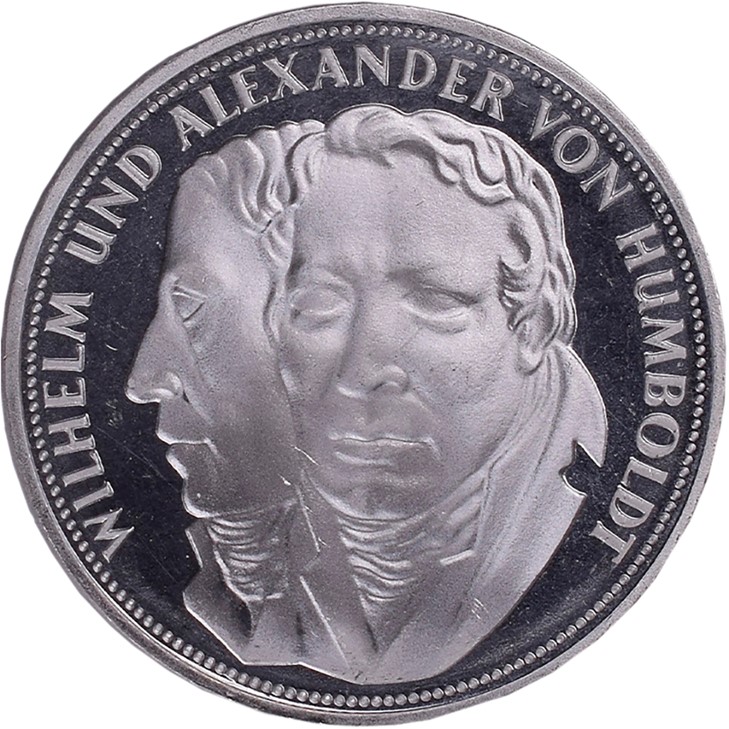
Unattractive residue can form in quality holders that are not airtight or that contain PVC with plasticizers. This silver Germany 1967F 5 Mark issued in honor of brothers Wilhelm and Alexander von Humboldt had developed an unattractive (and potentially harmful) green PVC residue across all surfaces. Removal of residues such as this is a process that professional conservators are well practiced in safely carrying out without harming the surface underneath. Following conservation, the coin revealed its bright surface and graded well with NGC.
 |
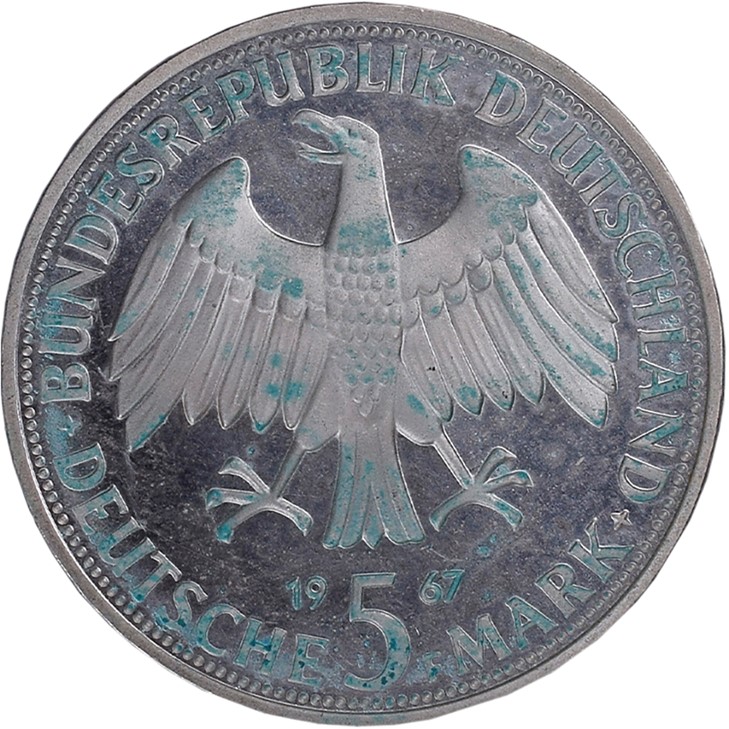 |
| Germany 1967F 5 Mark Before conservation Click images to enlarge. |
|
 |
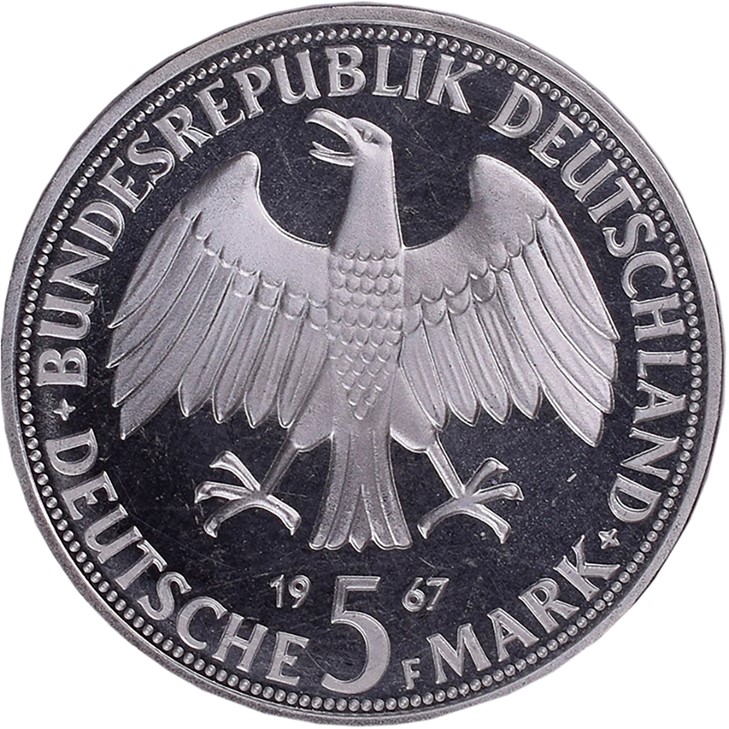 |
| Germany 1967F 5 Mark After conservation Click images to enlarge. |
|
For more information about NGC Conservation, visit NGCcoin.com/ngc-conservation.
