NGC Conservation: Combating Residue and Copper Spots
Posted on 11/18/2025
Numismatic Guaranty Company® (NGC®) uses a variety of proprietary techniques to remove harmful surface contaminants, stabilize and protect a coin's surfaces and, in many cases, improve a coin's eye appeal. After coins are conserved, they are then graded and encapsulated. Below are a few highlights of coins that were conserved and graded by NGC recently.
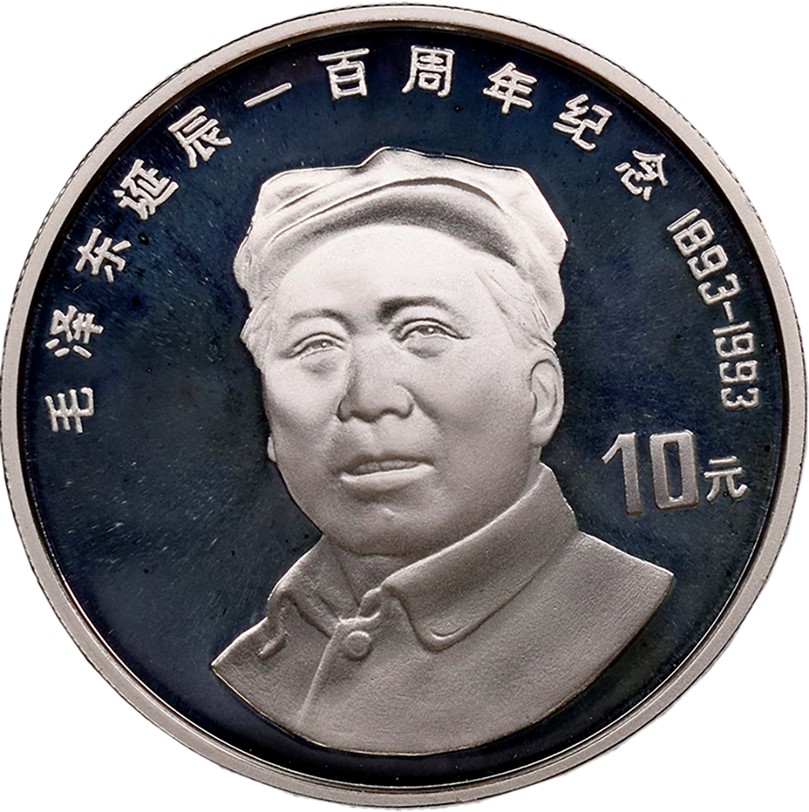
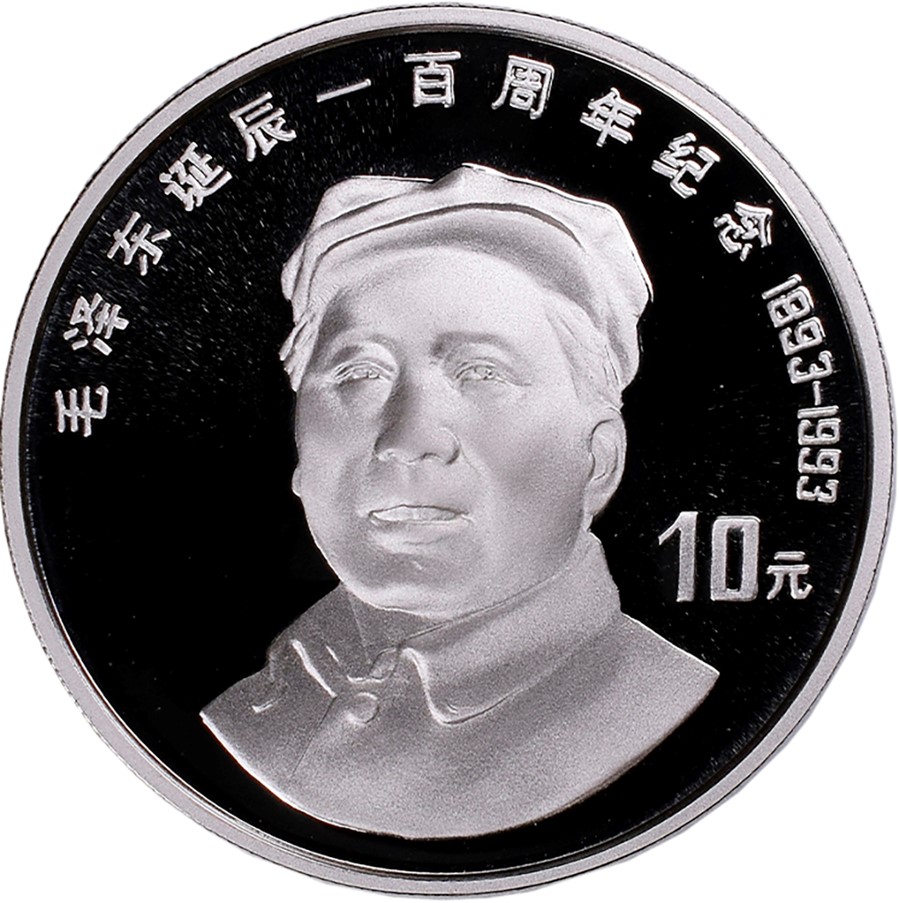
China 1993 10 Yuan
Many residues develop because of improper storage, usually from being in holders that are not airtight. This silver China 1993 10 Yuan issued in honor of Mao Zedong was recently submitted for NGC Conservation to address heavy hazing residue that had developed over both sides of the coin. Because of its strikingly mirrored fields, such a coin requires careful conservation to not damage the surface underneath during the removal process. The unattractive residues were successfully removed from this silver piece and, following conservation, it was able to grade well with NGC.
 |
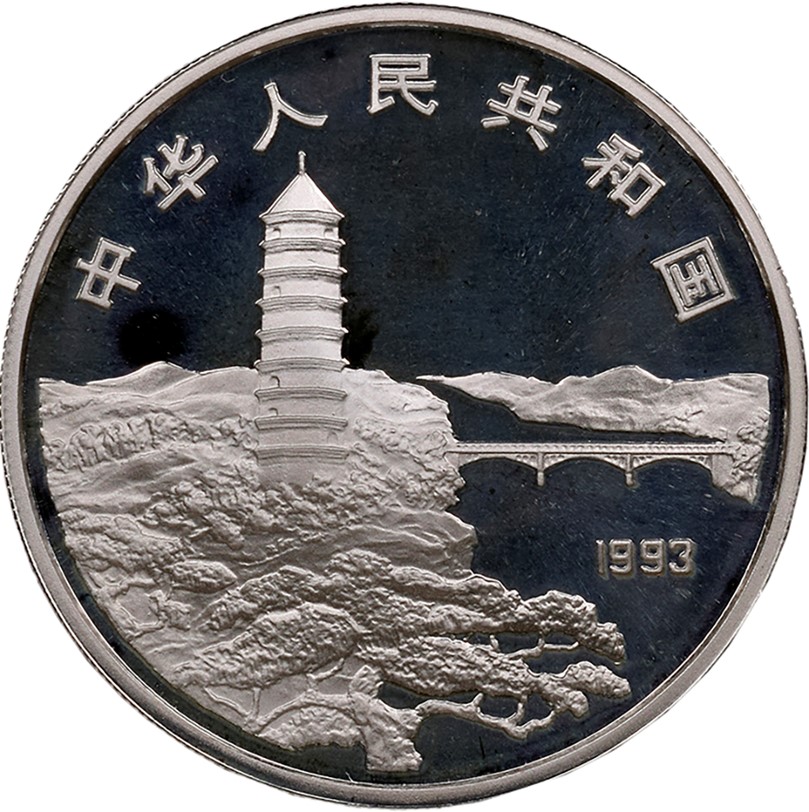 |
| China 1993 10 Yuan Before conservation Click images to enlarge. |
|
 |
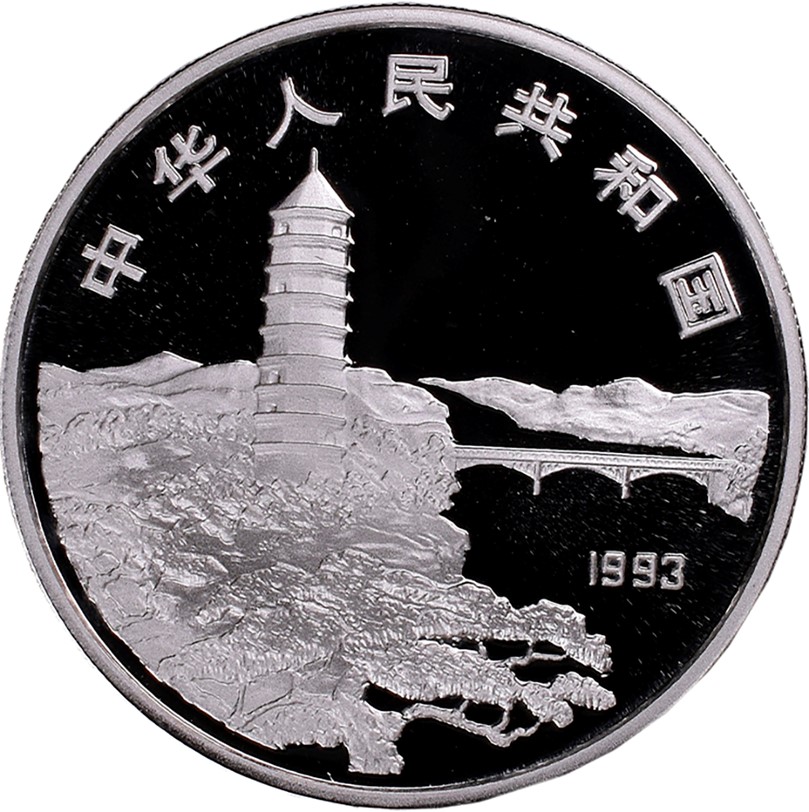 |
| China 1993 10 Yuan After conservation Click images to enlarge. |
|
Dominican Republic 1989 Peso
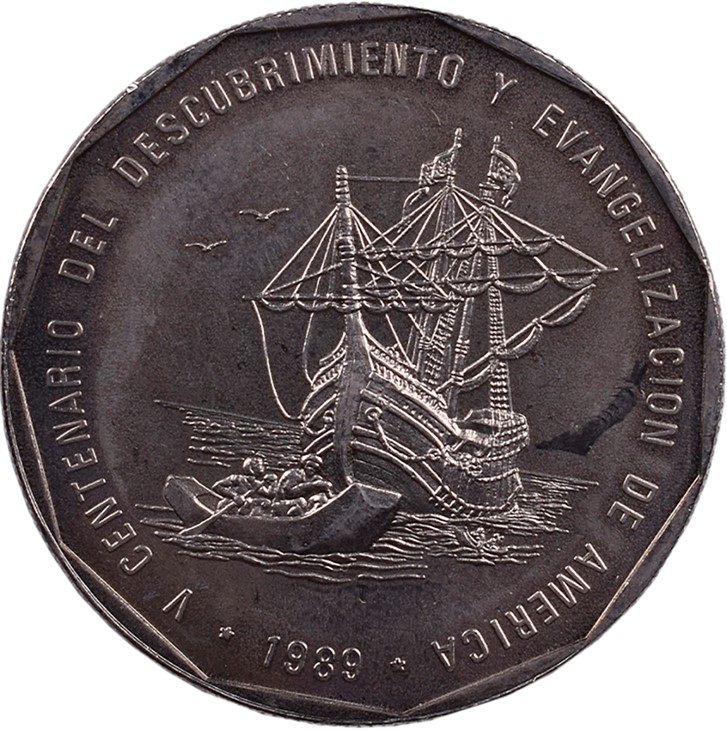
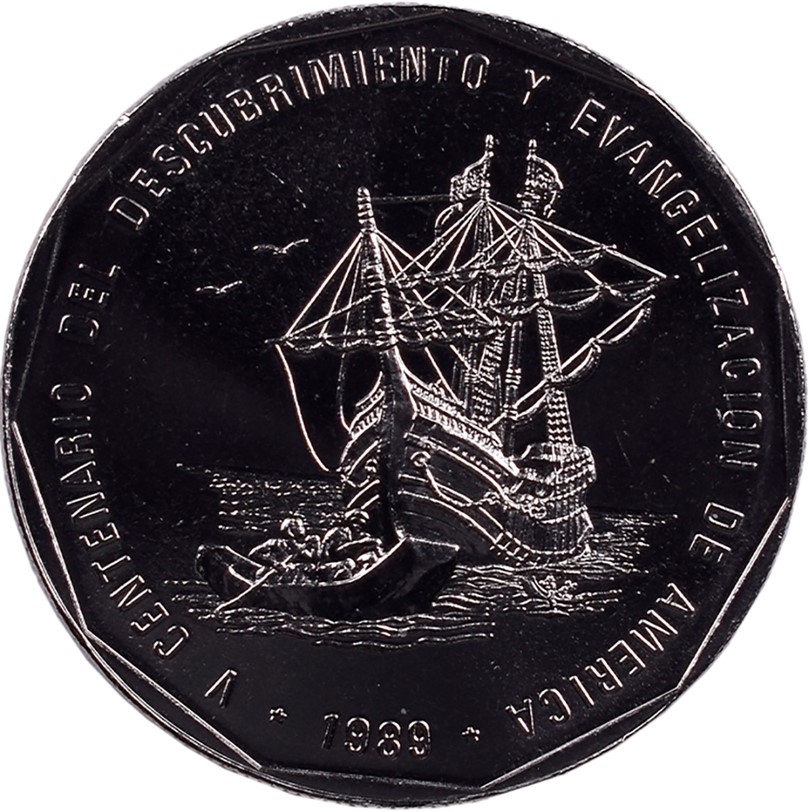
Heavy residues are not only unpleasant but they can also contribute to environmental damage. This copper-nickel Dominican Republic 1989 Peso was submitted to NGC to remove a heavy coating of yellow-and-brown residues. Conservators at NGC are well practiced in removing residues such as those seen here without damaging the surface underneath. After removal of residues, this coin was able to grade numerically with NGC.
 |
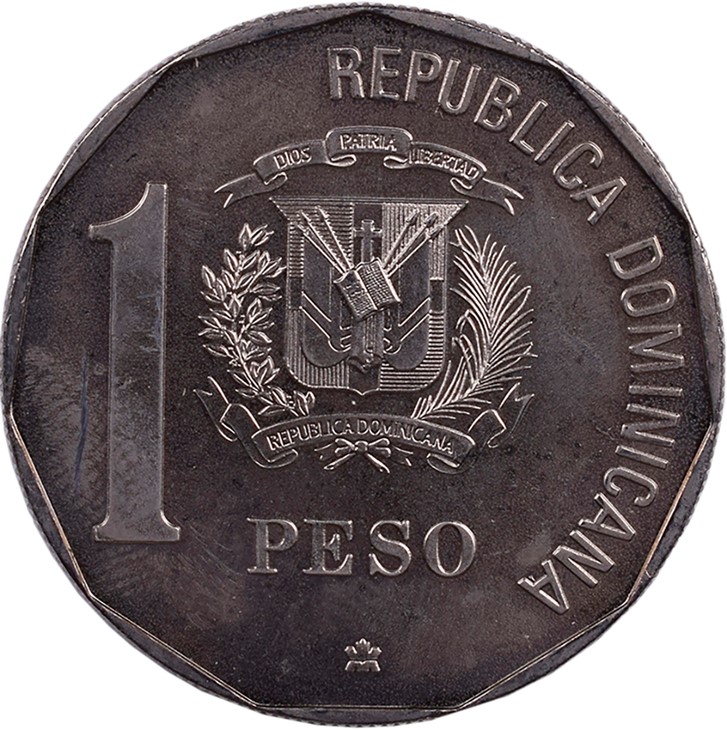 |
| Dominican Republic 1989 Peso Before conservation Click images to enlarge. |
|
 |
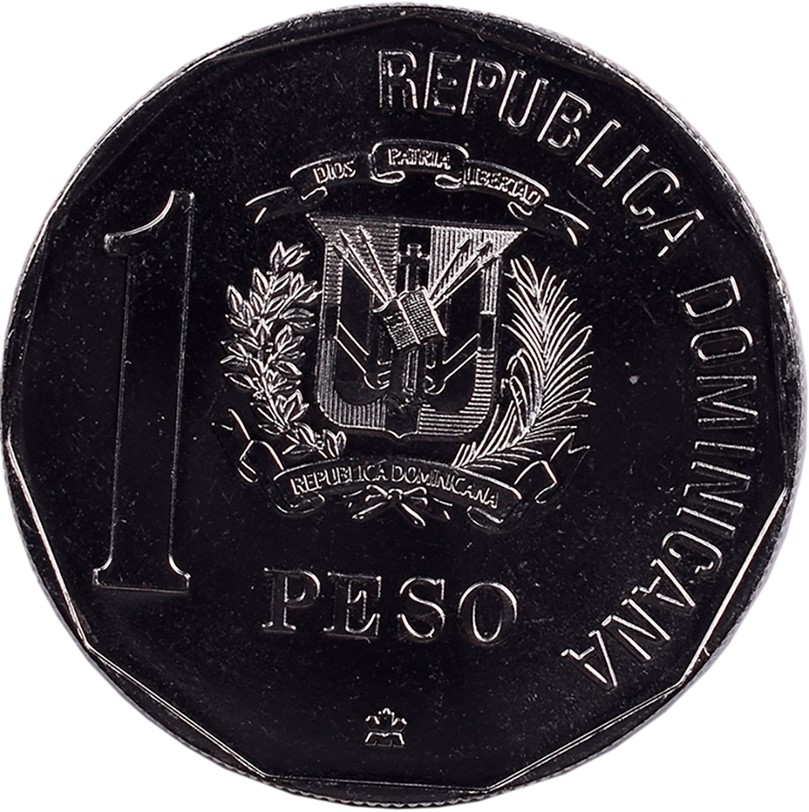 |
| Dominican Republic 1989 Peso After conservation Click images to enlarge. |
|
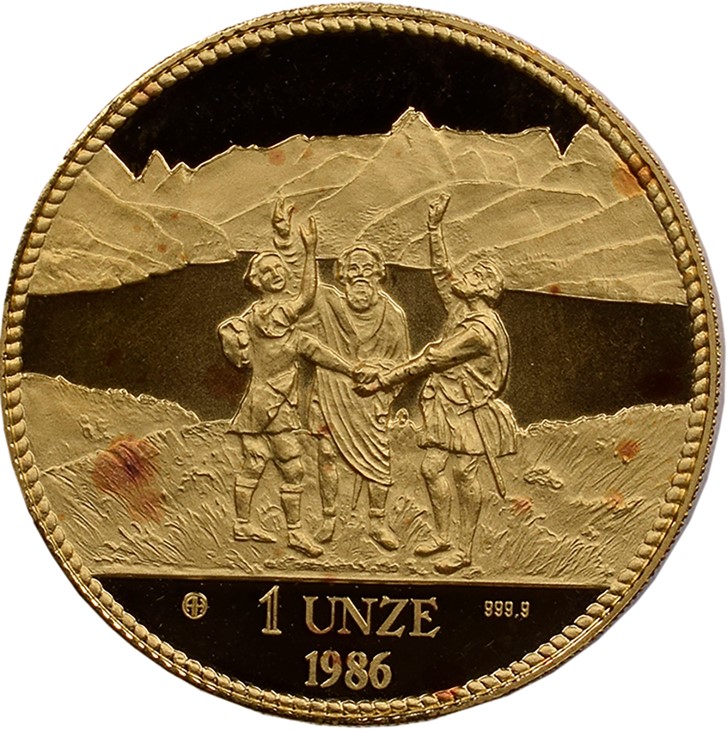
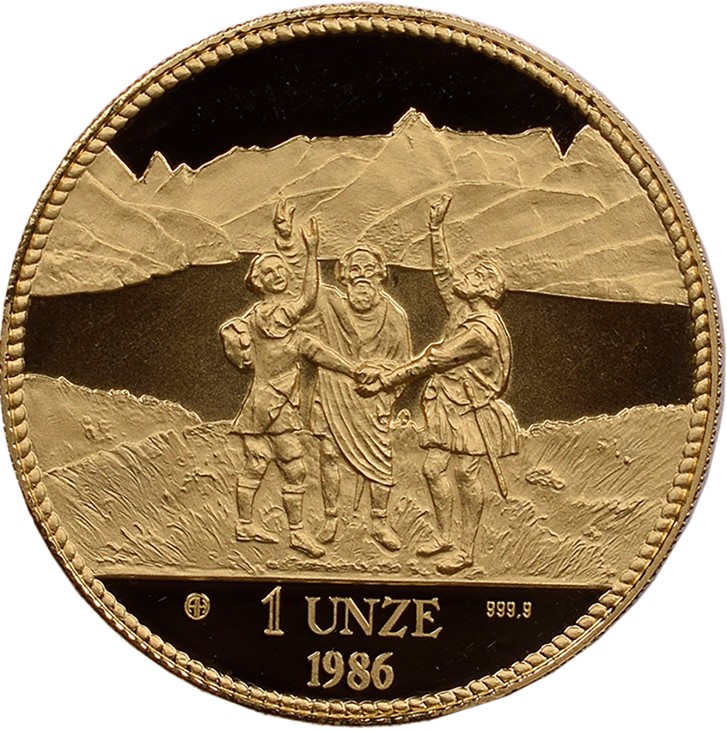
Switzerland 1986 1-ounce Gold Medal
Modern and vintage issues alike can become afflicted with red spots, commonly called copper spots. This gold Switzerland 1986 1-ounce Gold Medal had developed a serious case of red spots all over its surface. Proper removal of spots such as these is a well-known process among expert conservators. Following conservation, this medal was revealed to have a bright surface and graded well with NGC.
 |
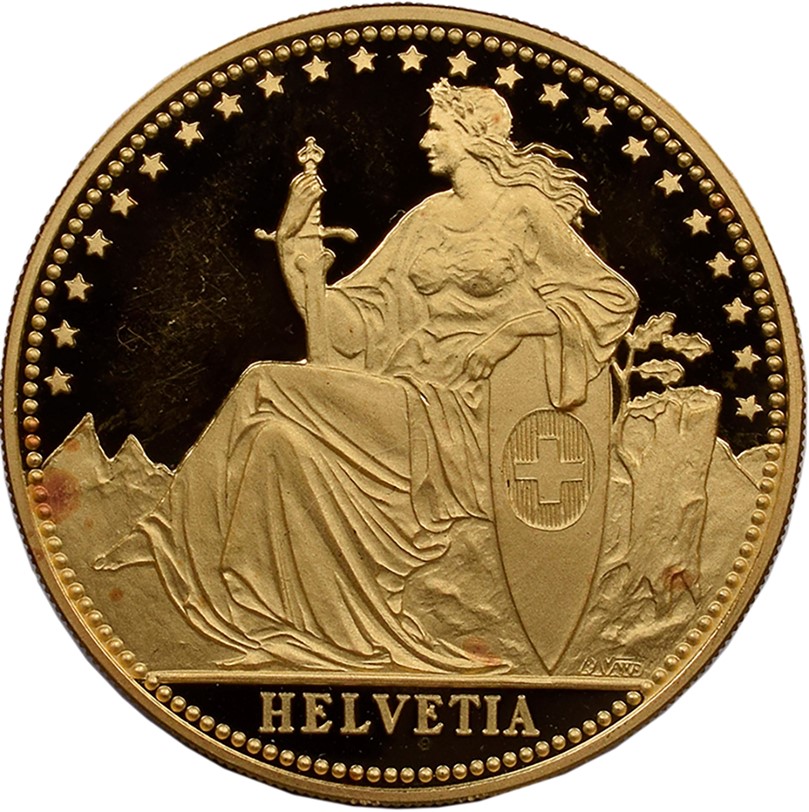 |
| Switzerland 1986 1-ounce Gold Medal Before conservation Click images to enlarge. |
|
 |
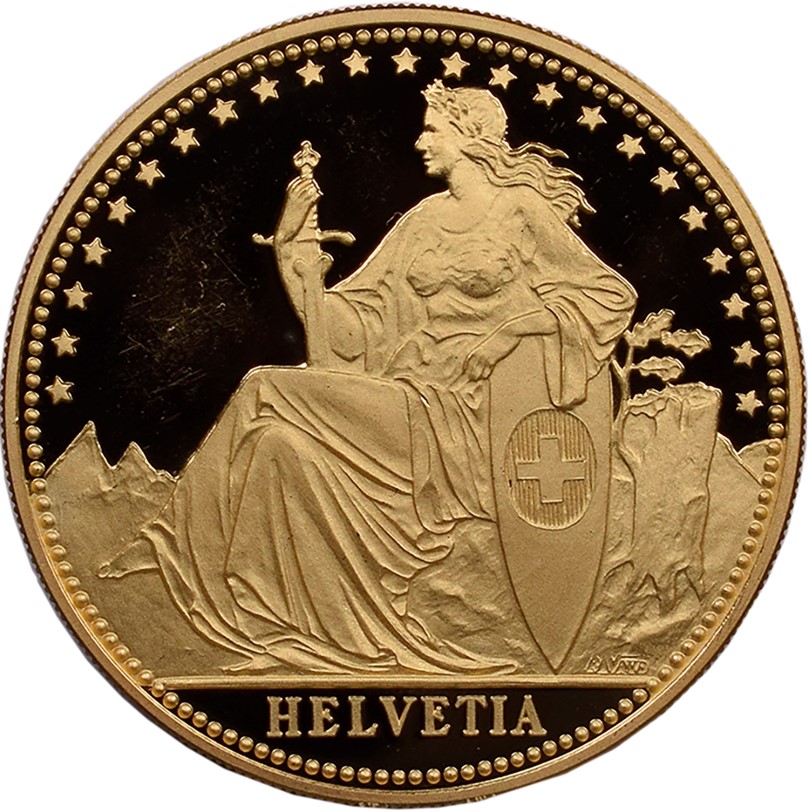 |
| Switzerland 1986 1-ounce Gold Medal After conservation Click images to enlarge. |
|
For more information about NGC Conservation, visit NGCcoin.com/ngc-conservation.
