Jim Bisognani: Unlocking Profits to Strengthen Your Coin Collection
Posted on 10/16/2025
 |
Well, my friends, yours truly is at a loss for words. Those that know me will find that hard to fathom. I mean, watching and trying to decipher the numismatic market each day is a massive and intricate chore, but now running tag team with the daily histrionics of all the precious metals is mind boggling. Although the numismatic market is not tied directly to the bullion market, in this situation there is a huge component of US numismatic material that is affected greatly by the precious metals.
I fondly remember those somewhat halcyon days following the run-up in metals in 1979-80. The excitement of still finding some 90% US silver coins in circulation and selling them for nearly 30 times their face value... wow, that was something. Even "closet" collectors, who had squirreled away silver pocket change for years, were cracking open piggy banks, glass decanters and shoeboxes full of silver, anxious to exchange it for some hard cash. For the slightly more affluent, gold was pulled from dresser drawers and jewelry boxes to cash in on the excitement. Many of my fellow coindexters of that time were also not shy about parting with gold Quarter Eagles or Double Eagles. I mean, for many, a single Double Eagle that was bought at $100 five years prior could (then) fetch $700 more after the price increase. It was quite tempting.
Then, when the metals market came crashing down in early 1980, it left quite the indelible mark and stigma on metals. The vast population of metal mavens were shell-shocked. What happened? All of a sudden, gold was worth a few hundred dollars and silver was worth just a few dollars, a mere fraction of its all-time $50 high.
The answer was the attempted manipulation by the Hunt Brothers in controlling the silver market. As a result, the recovery of silver to the promised land was a long and arduous process. Each time silver spiked to $20-$30 per ounce, those who had bought enormous amounts of it at the much higher $40-$50 range were anxious to dump it back into the market, happy to sever ties and regain as much of their original outlay as possible. Each time, this action depressed the silver spot price. Yet gold — that yellow darling — was much more fortunate and continued on in a rather robust and popular trek.
Decades after its tragic and manipulated fall from grace, silver moved back into the $40-plus range during the post-2008 financial meltdown. Precious metals were again in vogue and in great demand, and the rare coin market held. Its resiliency during these harrowing times earmarked numismatics as a safer choice not only for collectors but for those looking to "invest" in hard assets.
Then along came the COVID-19 pandemic in 2020. Silver and gold triumphantly marched forward — silver, somewhat depressed to as low as $12 before, rose to more than $20 and built a solid base for continued growth. This time, as silver broke through $30 per ounce, there was no major setback — and it really hasn't looked back since.
Now we flash forward to mid-October 2025 — with the US government shutdown, geopolitical turmoil, rising tariffs, dubious government actions to curb inflation and lessened demand for the US Dollar worldwide, precious metals are indeed looking to be a much safer haven for many Mr. and Mrs. John Q. Publics to park their respective assets. This Thursday afternoon (October 16, 2025), silver has broken over $54 per ounce and spot gold is nearing $4,300, which is truly amazing! While most can’t afford $4,300 for an ounce for gold, there is still hope, my fellow coindexters, for those wanting to buy US or world silver coins.
Rare and Collectible vs. Valuable
Amazingly, the same $20 Saint-Gaudens — which was worth just under $2,000 five years ago — is now worth more than double that in melt value. My fellow coindexters, the coin hasn't gotten any scarcer, but the metal has, as the premiums above melt value have eroded. It's interesting to put it hypothetically, but that pair of circulated $20 Saint-Gaudens or $20 Libertys purchased approximately five years ago could be traded on par to get a rare Carson City $20 Liberty... What, you say? But that is indeed correct. Consider the following:
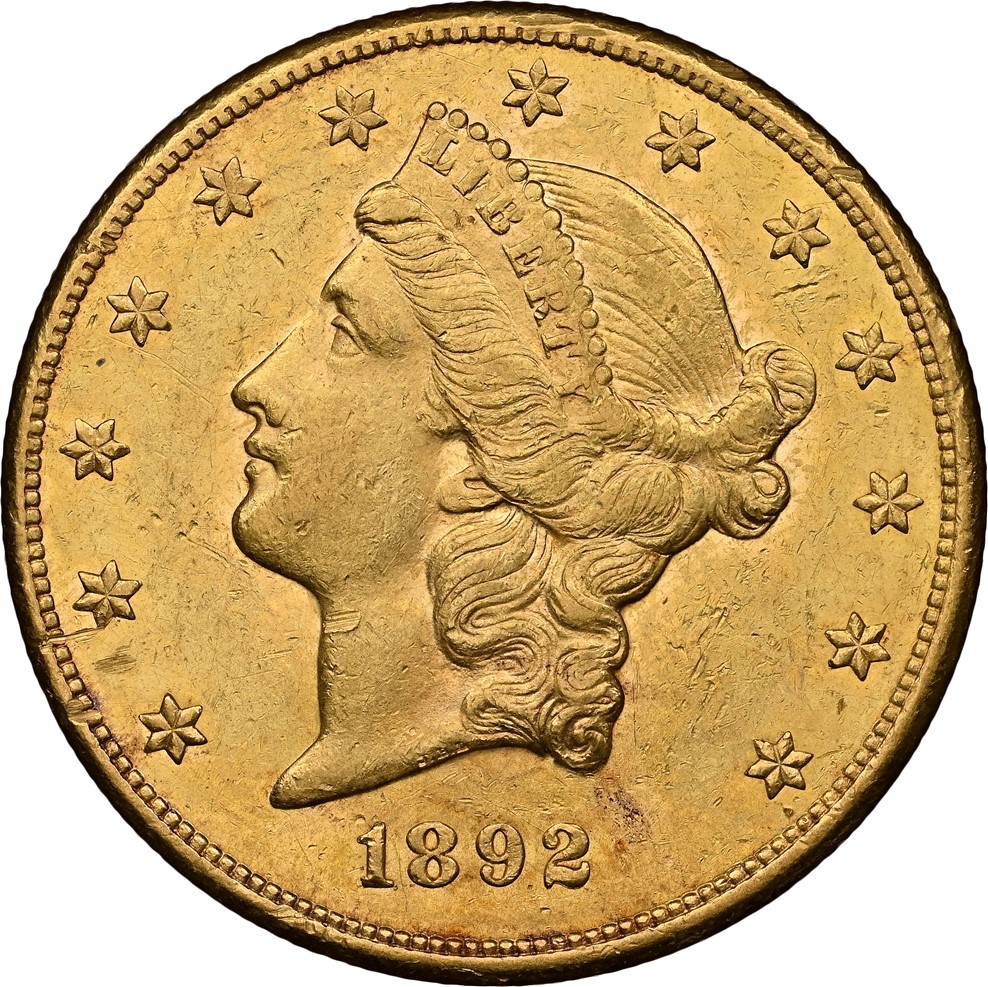
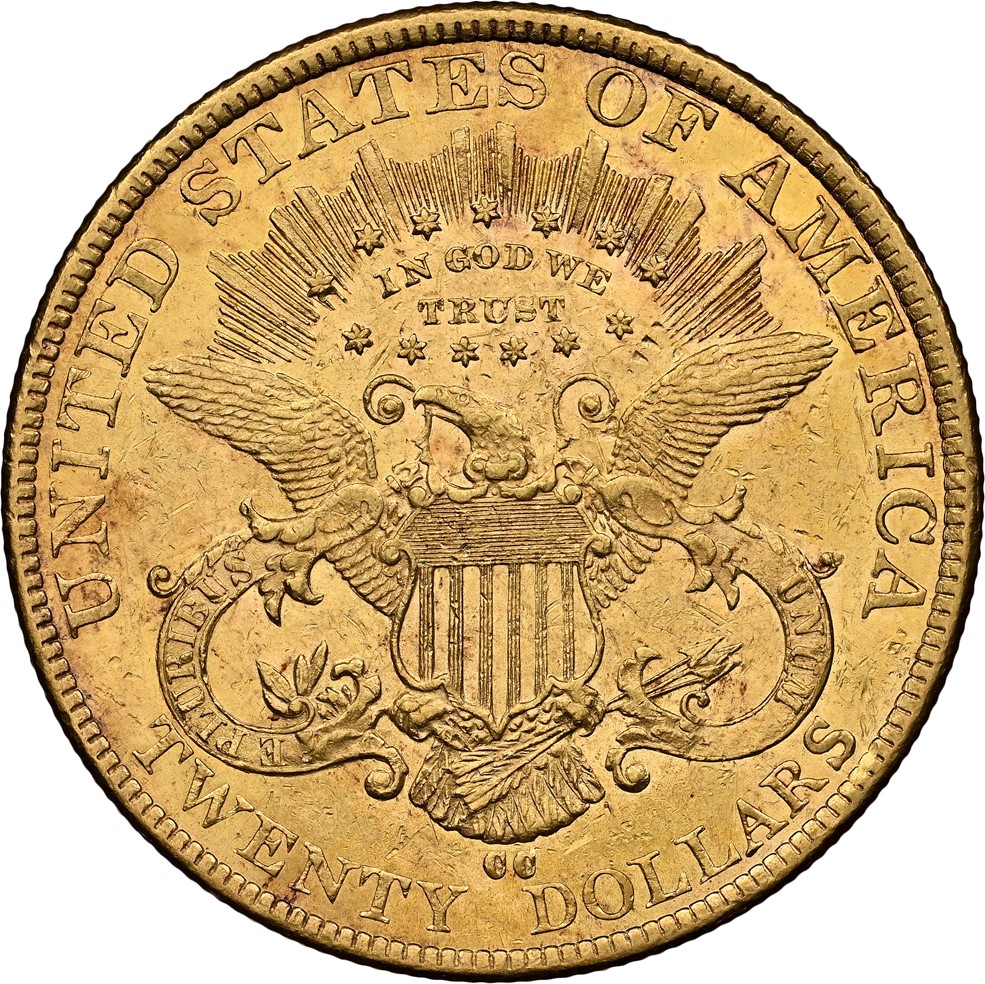
This 1892-CC $20 Liberty graded NGC AU 55 realized $5,520 at the FUN Show in 2025:
 |
 |
| Click images to enlarge. | |
This historic coin from the great and storied western Mint was the next-to-last to be struck in Carson City and had a mintage of a measly 27,265 examples. Now, at the time of the sale (which was about 10 months ago, at the time of writing), that sales price would have been equal to the intrinsic / melt values of $2,575 (or, for the price of about 2 average circulated $20 gold coins — to be precise, 2.14 gold coins). But now, it would only take 1.35 gold coins to facilitate the purchase of that same Carson City coin.
Yes, my fellow coindexters, the actual buying or trade value of your common pre-1933 gold coin has given the collector a great monetary advantage and could turn that equity into a true numismatic option!
Right now, at the time of writing this, for slightly more than 30% above the melt value of a common Double Eagle, you can take home a nearly uncirculated Carson City Double Eagle!
Heck, talking about a bargain — a very nice 1892-CC $20 in XF 40 just sold a few months back from $4,320, which is equal to a mere 6% above melt value at present.
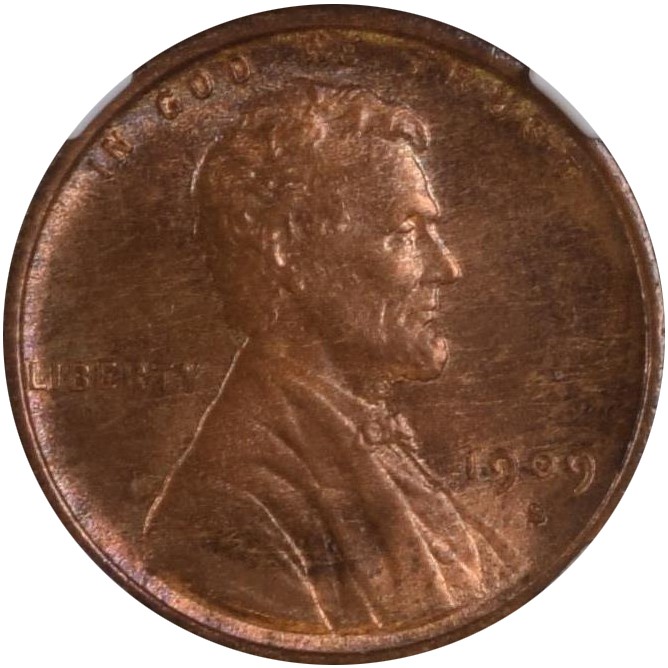
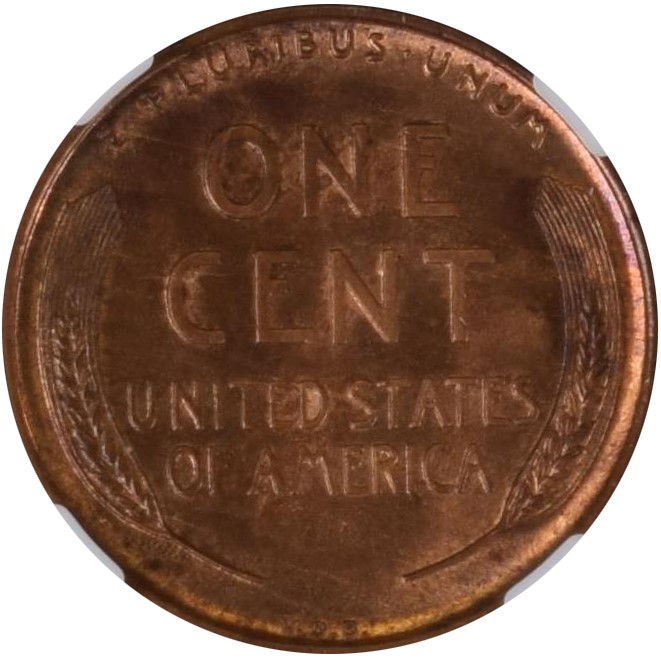
Consider this. One of the most popular and well-known coins in the world: the 1909-S VDB... This copper prize is revered by numismatists and is the longstanding key to the ever-popular Lincoln Cent series (soon to be obsolete). Well, you could trade that average circulated $20 up for an NGC MS 65 RB 1909-S VDB! That's right, I found one seller offering up this coin for $4,125, which is equal to one circulated Double Eagle!
 |
 |
| Click images to enlarge. | |
Now these are all just suggestions, my fellow coindexters. However, one key point is that we all know the markets and pricing do not go straight up. There is and will be profit-taking and adjustments to any metal run, even one as dynamic and improbable as the one we are living through. Yet, common sense would dictate that true numismatic coins are not subject to erratic market upheaval. Of course, you would want to seriously consider holding on to some gold and silver coins in your collection, though it never hurts to diversify and spread some of the wealth around.
As one of my coindexters, Harry S. from New Jersey, relayed to me: "Hey Jim, I've been buying Indian Head Quarter Eagles for years just because I like them and they were affordable for me to pick up nearly uncirculated or slightly better coins of all dates in the series (except the 1911-D). Over the last 10 years or so, I probably picked up 100 coins or more. My average cost was a low $125-$150 and quite a few were just over $200. I had been buying, on average, one coin per month. Anyways, today I looked and the melt value alone for these coins is over $500. So you know what I'm going to do, Jim? I'm going to pluck out about a dozen and use the proceeds to get me a nice 1911-D to complete my set."
Yep, I've heard many similar tales from my fellow coindexters. The fact is, these coins' relative rarity and numismatic value have remained relatively stagnant, yet the metal content contained in coins has skyrocketed! And in the case of Harry, a baker by trade who also enjoys his gold and silver coins, is happy to part ways with a group of his common gold to parlay that into a key missing date for his collection. For Harry, it looks like a Baker's dozen of his Quarter Eagles should consummate the trade.
I just informed Harry that a nice 1911-D graded NGC MS 61 was available on a collector platform for $6,450. An excited Harry said he would try to make that deal happen today. The happy baker hailing from Newark said that the 13 coins he plucked from his collection (which he bought back in 2018) averaged out to be $177.
"So," said Harry, "my outlay, give or take a few bucks, is just $2,300 and now I get a Mint State 1911-D for my collection. It is really unbelievable — truly a golden achievement!"
Now, as the metals continue to surge, I'm sure others out there are receiving unsolicited phone calls or e-mails every day from Bullion Traders and dealers. Some are probably extolling the virtues of including precious metals into your IRA or buying gold and silver outright. Others are asking — or imploring you — to sell them your precious metals.
It's a balancing act, to be sure. My personal advice is one I learned from a friend and longtime trader years ago. Your best bet in any market is to use dollar-cost averaging and buy on a regular schedule. No one is ever going to get the absolute top of the market, and no one is going to buy or sell at the absolute low of the market. If you use dollar-cost averaging, it will be easier to take some profit as well as maintain a core investment in the long run. Then, of course, with your profit you can do whatever you wish. In most cases, I hope my numismatic brethren are looking at bargains out there and adding to their numismatic cabinets.
Until next time, be safe and happy collecting!
Want to see more articles like this? Subscribe to the free NGC Weekly Market Report.
