Counterfeit Detection: Russia 1910EB 5 Roubles
Posted on 9/16/2025
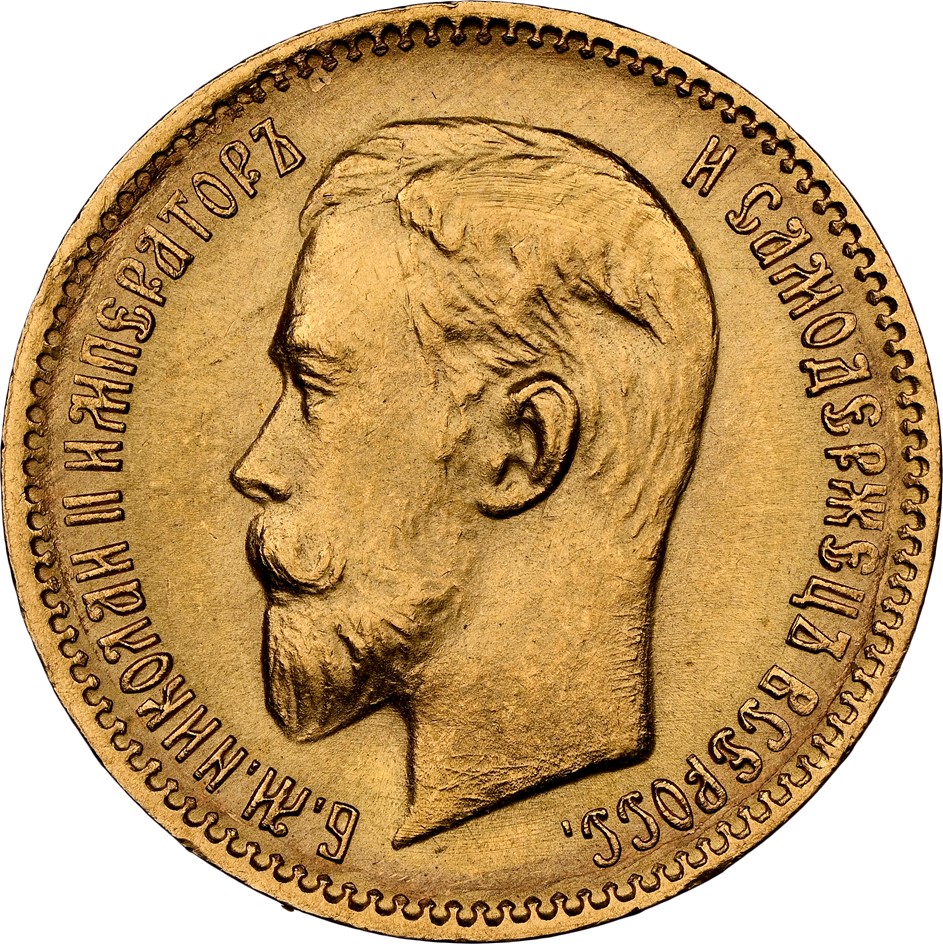
With roughly an eighth of an ounce of gold and a diameter of only 18 mm, Russia’s Gold 5 Rouble coins were (along with the Gold 10 Roubles) the final gold issues released for circulation in Imperial Russia. Relatively modest mintages of both denominations were made in 1910 and 1911 before both series were suspended.
 |
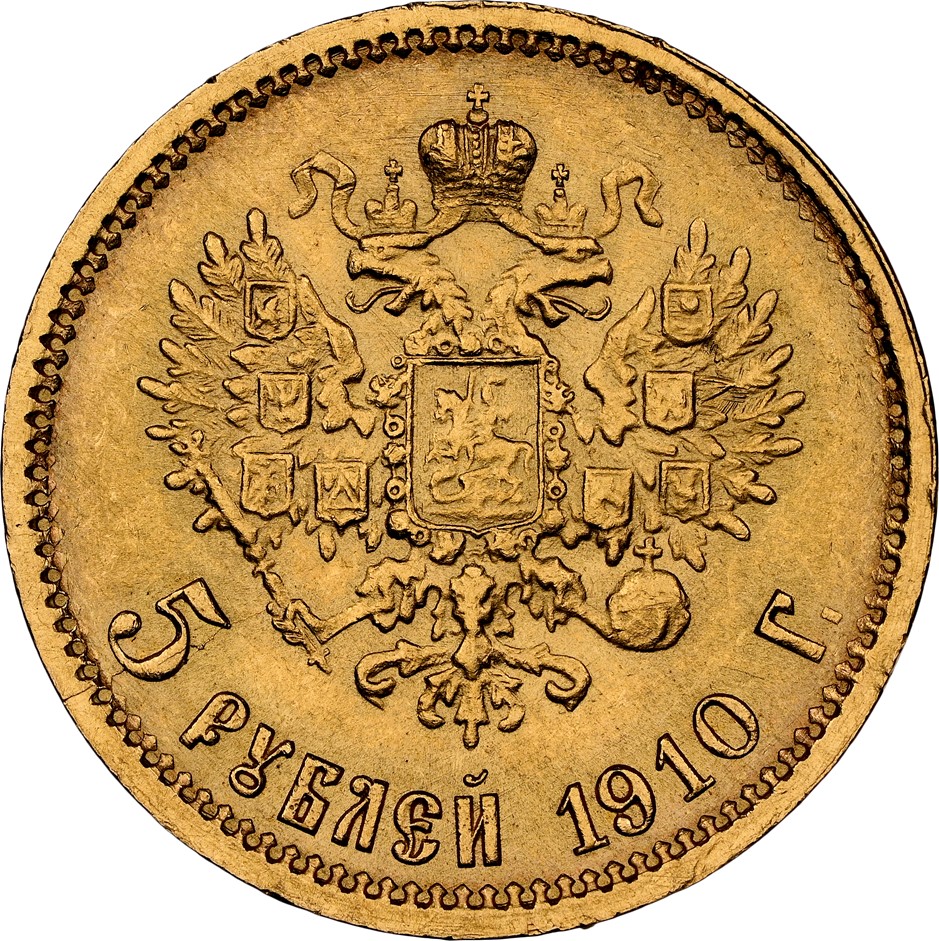 |
| Genuine Russia 1910EB 5 Roubles Click images to enlarge. | |
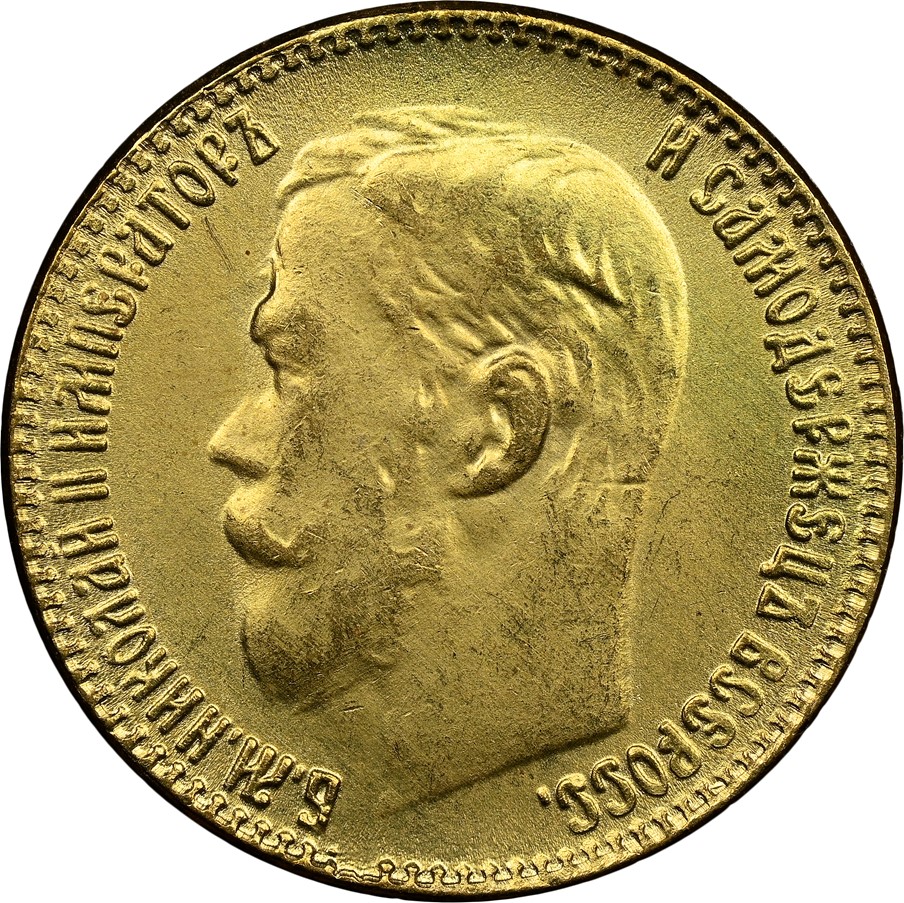
Mint State examples can sell for several times their melt value, creating an incentive for counterfeiters. NGC recently received a purported example of a 1910EB 5 Roubles.
 |
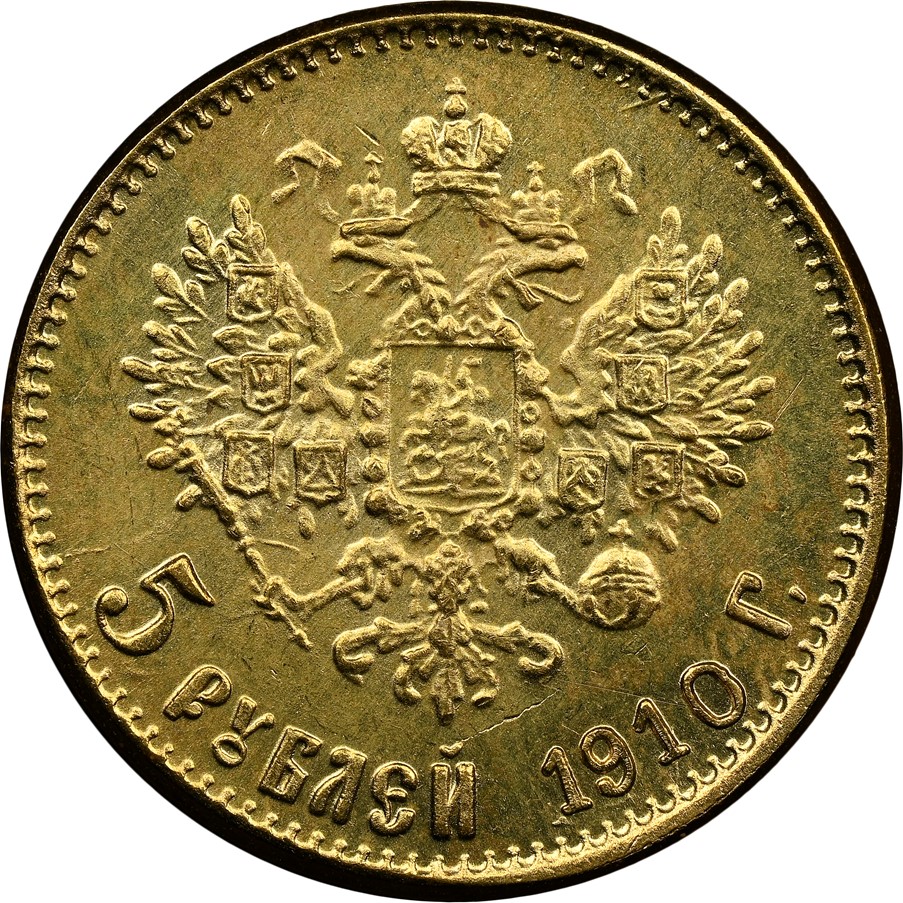 |
| Counterfeit Russia 1910EB 5 Roubles Click images to enlarge. | |
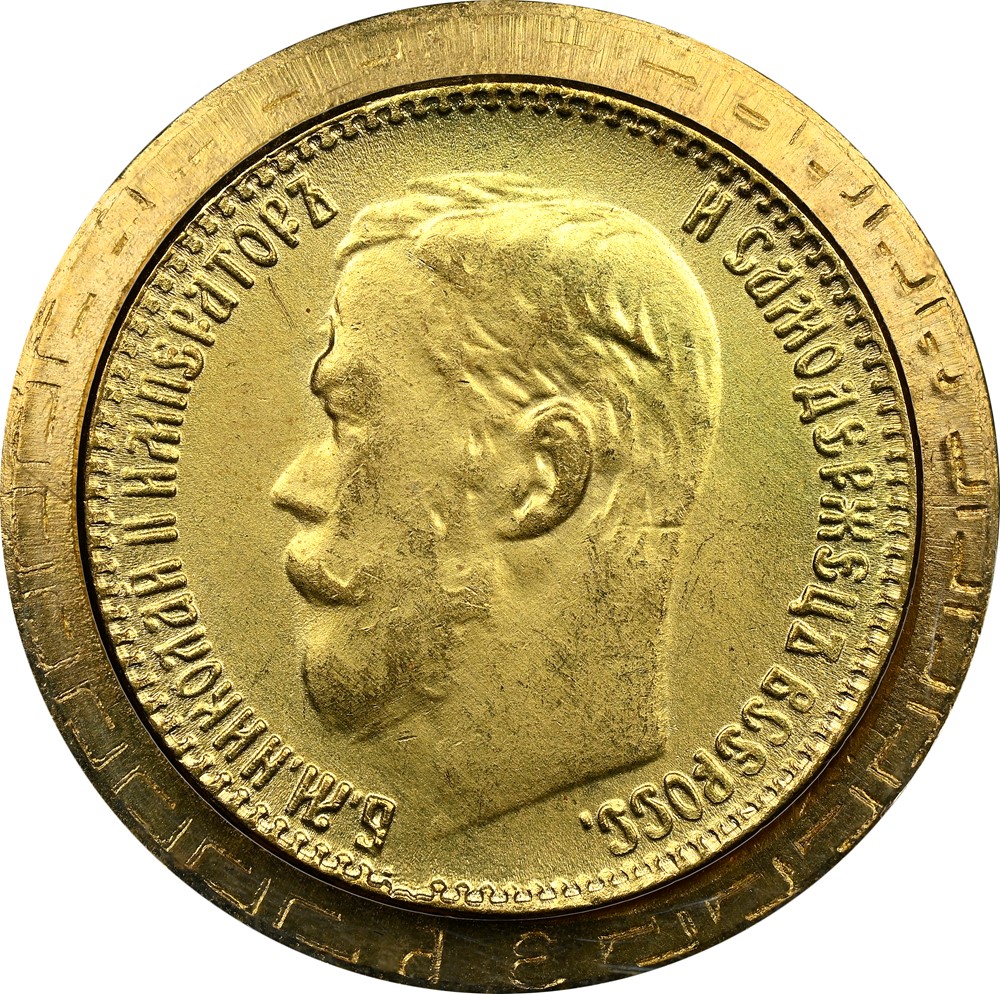
A good first step in attempting to authenticate a coin is to weigh it, and this coin’s weight of 3.99 grams (versus the expected 4.3 grams) immediately raises suspicions. A genuine coin should be 90% gold, but counterfeiters typically use cheap metals that are much less dense than gold, like the copper and zinc that make up the coin here. To try to keep the diameter consistent with a real gold coin, counterfeiters have only two options: make it underweight or overly thick — or both, as is the case here.
 |
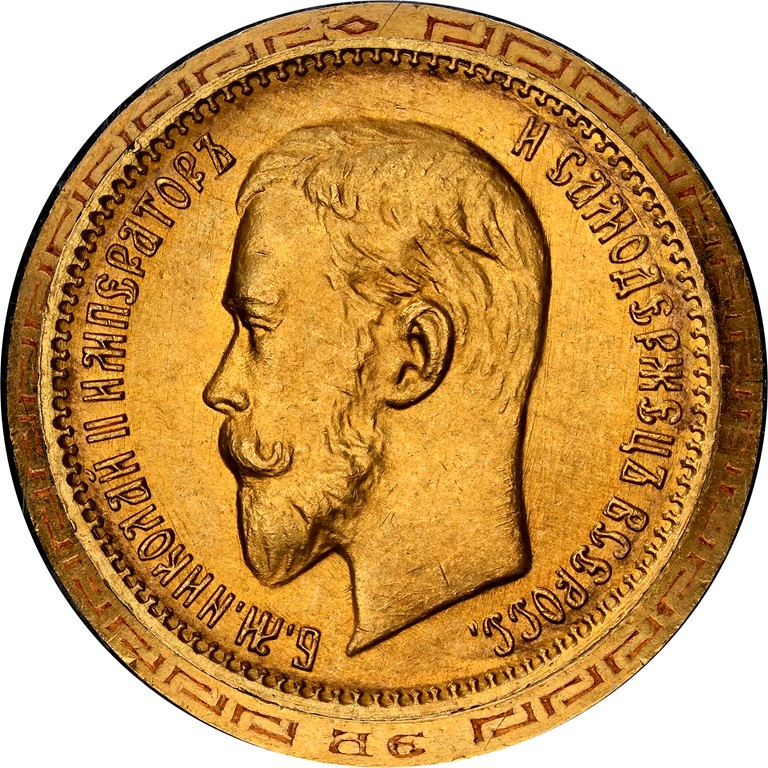 |
| Edge of counterfeit 1910 5 Roubles and a genuine 1909 5 Roubles Click images to enlarge. | |
Speaking of the edge, another clue that this coin is counterfeit is the poorly executed edge engraving. Note the major differences in both the pattern and the ЭБ mintmark for Ekaterinburg, a city about 1,000 miles east of Moscow that was home to a gold rush in the first half of the 19th century and the place where Russia’s last emperor, Nicholas II, and his family were murdered.
 |
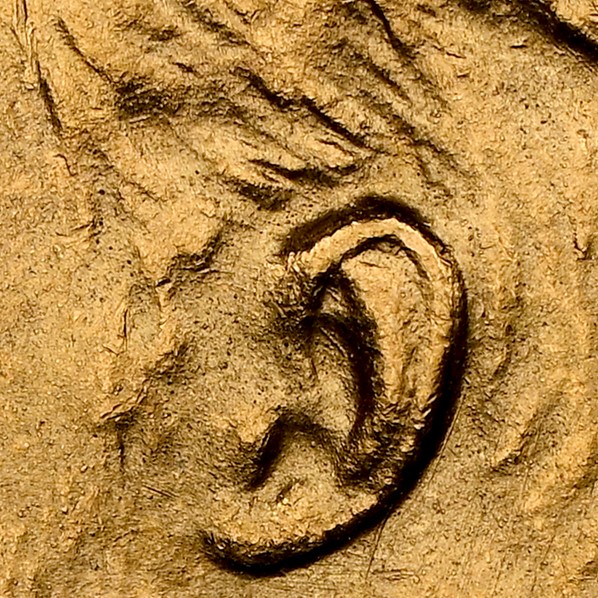 |
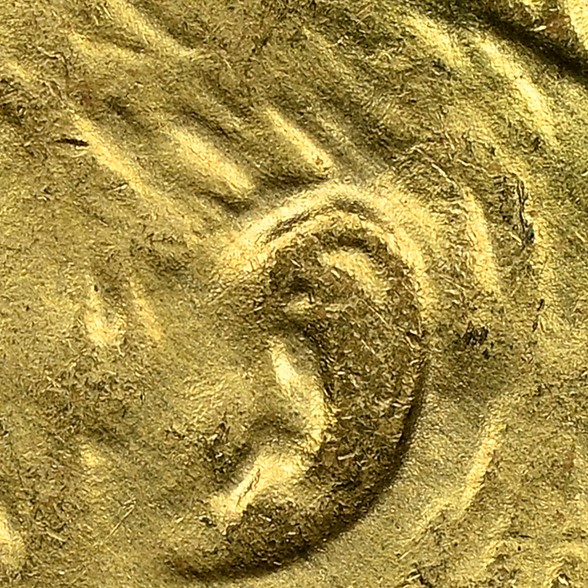
| Close-ups of the obverse of the counterfeit (left) and genuine coin Click images to enlarge. | |
There are other red flags as well. The counterfeit is low-relief, with rounded letters fading into the field. Nicholas’ ear and the surrounding hair is flat and poorly defined. The hazy details continue on the coat of arms on reverse, especially on lower-relief areas.
 |
 |
| Close-ups of the reverse of the counterfeit (left) and genuine coin Click images to enlarge. | |
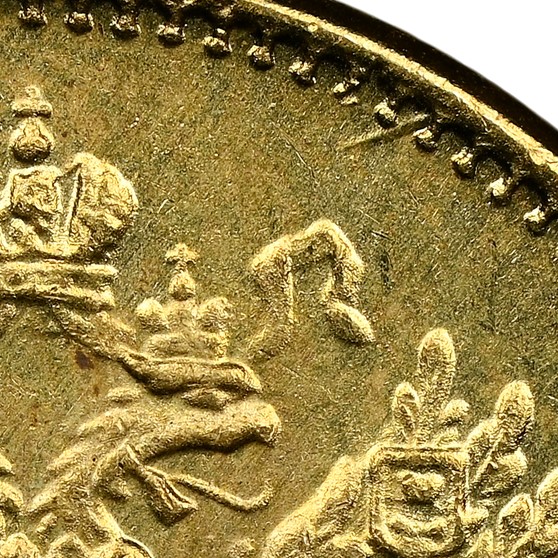
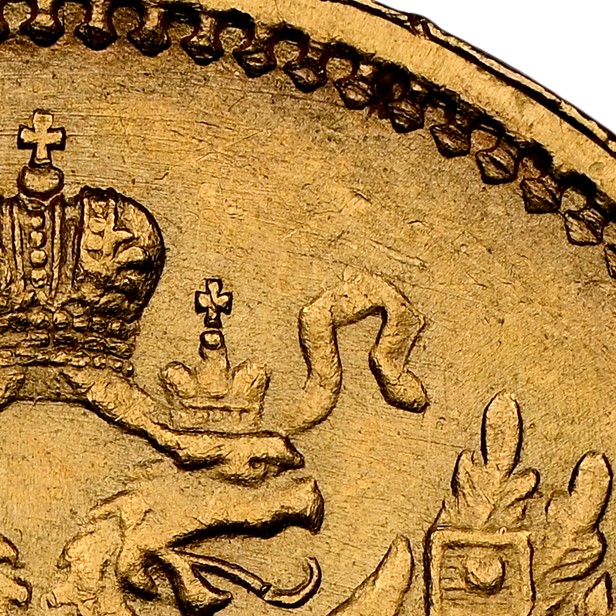
Overall, the coin has an incorrect color, being far too yellow. On the reverse, protruding from the denticles at 1 o’clock, there is a large tool mark, an ugly remnant of the counterfeit die-making process.
A gold coin from late Imperial Russia can make a fascinating addition to a coin collection, but only if it’s genuine. Remember, NGC backs its determinations of authenticity and grade with the NGC Guarantee.
Did you know? NGC has created a comprehensive Counterfeit Detection resource to help collectors and dealers identify counterfeit and altered coins. Visit NGCcoin.com/counterfeit.
