After coins have been graded and the necessary numbers and text have been entered into the respective data fields, NGC-certified coins are taken from the Grading Department into the NGC Encapsulation Department. Here, labels are printed out bearing the following text: the coin's date, mintmark (if any), denomination, variety (if any), grade, special designation (such as FB for "full bands") and its identification number. This last item is extremely important, as it serves to make each certified coin label unique. It is also an important deterrent to the counterfeiting of NGC's valued coin encapsulation. All of the above information is duplicated in a barcode, which appears underneath the written text on the certified coin's label.
 The newly printed labels are matched with the NGC-certified coins to be encapsulated with them. The coins are now ready to be placed inside a plastic core piece that holds it securely within the transparent holder. NGC maintains a wide assortment of these white cores to assure a proper fit, with different size openings to allow for the many United States and foreign coin types certified by NGC. The core, like other components of the holder, is made of inert material that won't affect the encapsulated coin.
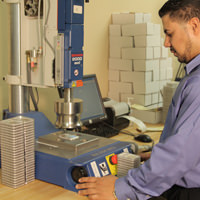
Once this is accomplished, each certified coin has its label positioned in place on the core, and these components are then enclosed within matching top and bottom transparent plastic shells. First, however, all of the pieces, including the coin itself, are blown free of dust and other contaminants by a jet of compressed air. This process is performed one more time when the shell pieces have been sealed around the core, through a combination of compression and ultrasonic vibration.
The encapsulated coins are now ready for shipping >
Watch a video of the entire NGC coin certification and grading process.